Summary
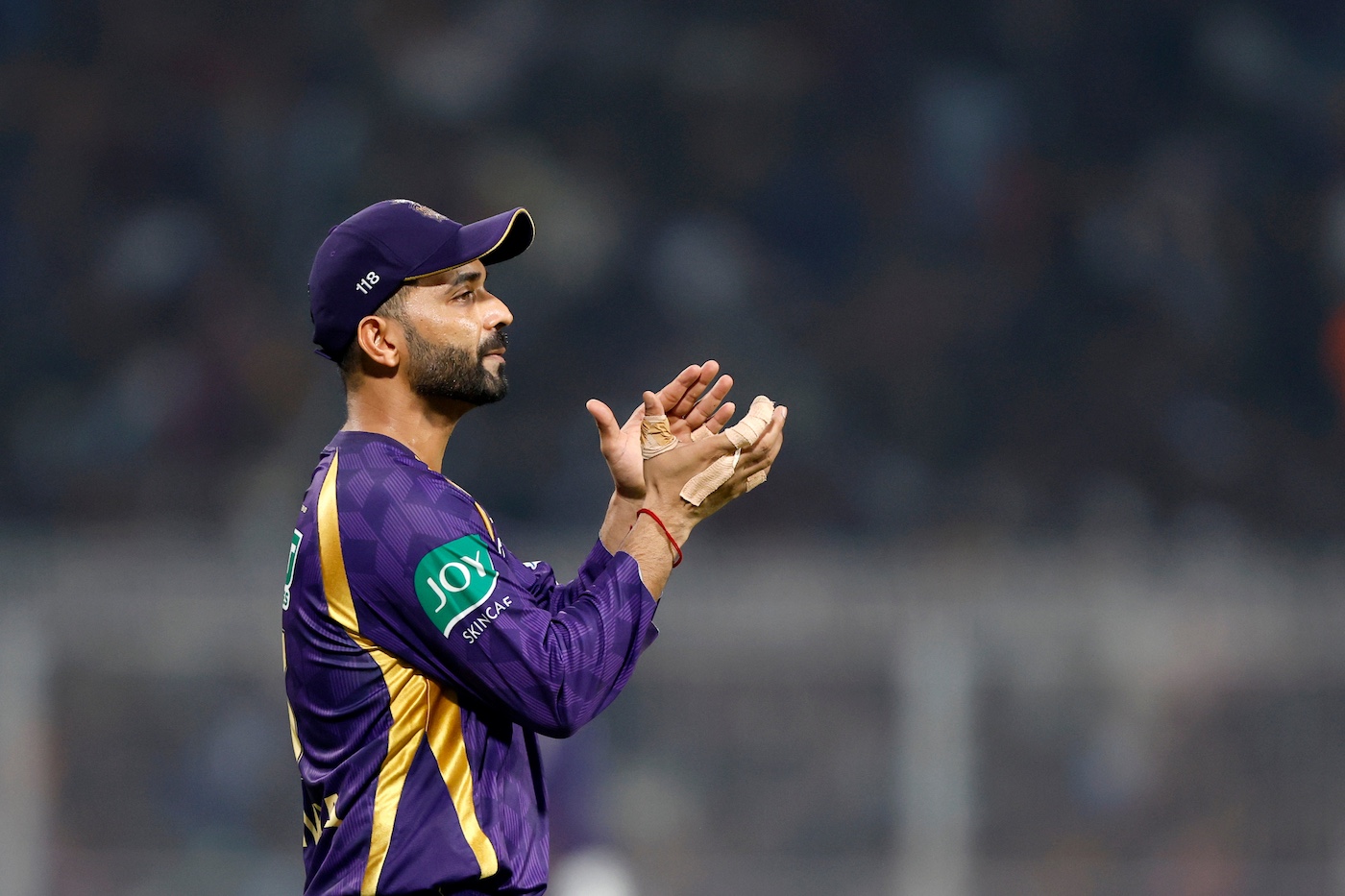
Ajinkya Rahane has recently addressed the critics who have been questioning his batting performance and his leadership decisions. The veteran cricketer did not hold back when asked about the negative comments regarding his strike rate, suggesting that some critics might simply be jealous of his position. Additionally, Rahane explained his tactical choice to limit Varun Chakravarthy’s bowling during a high-pressure match against Sunrisers Hyderabad. He emphasized that a captain must be realistic about a player's form during a game rather than following a set plan.
Main Impact
The main impact of Rahane’s statement is a clear shift in his public image from a quiet, reserved player to a more assertive leader. By calling out his detractors, he is signaling that he will not let outside noise affect his confidence or his team's strategy. This bold stance also highlights the growing pressure on senior players in T20 cricket to maintain high scoring speeds. His decision to pull a key bowler like Varun Chakravarthy out of the attack early shows a "results-first" approach that prioritizes the team's immediate needs over individual statistics or traditional roles.
Key Details
What Happened
During a recent interaction with the media, Ajinkya Rahane was asked about the ongoing criticism regarding how fast he scores runs, known as his strike rate. Rahane responded by saying he does not worry about what people say and hinted that the criticism often comes from a place of jealousy. He made it clear that his focus is on winning games for his team rather than pleasing people who watch from the sidelines. The conversation also turned to his captaincy during the match against Sunrisers Hyderabad (SRH), where he made the tough call to stop Varun Chakravarthy from finishing his full set of overs.
Important Numbers and Facts
In a standard T20 match, a bowler is allowed to bowl a maximum of four overs. Varun Chakravarthy, who is often a main wicket-taker for his side, was only given two overs in the game against SRH. Rahane noticed that the bowler was having a difficult time finding his rhythm and decided to change the plan. Instead of letting him finish his remaining two overs, Rahane used other bowling options to try and stop the flow of runs. This move was seen as controversial by some fans, but Rahane stood by his decision, stating that it is not "compulsory" for a bowler to finish their quota if they are struggling on the field.
Background and Context
In modern cricket, especially in short formats like the IPL, the "strike rate" is one of the most talked-about numbers. It measures how many runs a batter scores for every 100 balls they face. In the past, Rahane was seen as a traditional player who took his time to build an innings. However, in recent seasons, he has tried to play more aggressively. Despite this change, some experts still feel he is not fast enough compared to younger players. At the same time, captaincy in these leagues is very difficult. Every move is watched by millions of people, and if a captain takes off a star bowler early, it often leads to heavy debate among sports analysts.
Public or Industry Reaction
The reaction to Rahane’s "jealousy" comment has been mixed. Some fans admire his honesty and feel that senior players are often treated unfairly by the media. They believe that his experience is more valuable than just a high strike rate. On the other hand, some sports commentators feel that Rahane should ignore the critics and focus entirely on his game. Regarding the bowling change involving Varun Chakravarthy, many former players have praised Rahane for his bravery. They noted that it takes a lot of courage for a captain to bench a star player's overs in the middle of a game, but it is often the right move for the team's overall success.
What This Means Going Forward
Moving forward, this situation shows that Rahane is willing to make unpopular decisions if he believes they will help the team win. We can expect to see more flexible tactics from him in future matches. He is moving away from the idea that every player must do exactly what is expected on paper. If a top batter is slow or a top bowler is giving away too many runs, Rahane has shown he will intervene. This could lead to a more unpredictable and dynamic playing style for his team. It also puts other players on notice that their spot in the game depends on their performance in the moment, not just their reputation.
Final Take
Ajinkya Rahane is proving that he is a leader who trusts his own instincts more than the opinions of outsiders. By defending his strike rate and his tactical changes, he is protecting his team from external pressure. His message is simple: the game is played on the field, not in the commentary box. As the season continues, his ability to stay calm and make these tough calls will be the true test of his leadership. He is choosing to focus on the reality of the match rather than the expectations of the critics.
Frequently Asked Questions
Why did Ajinkya Rahane call his critics jealous?
Rahane suggested that people criticize his strike rate because they are unhappy with his success or his position in the team. He believes the criticism is often unfair and does not look at the actual match situation.
Why did Varun Chakravarthy only bowl two overs?
Rahane decided to stop him from bowling his full four overs because he felt the bowler was struggling during the match against SRH. He wanted to use bowlers who were having a better day to help the team win.
What is a strike rate in cricket?
A strike rate is a way to measure how fast a batter scores runs. It is calculated by the number of runs scored per 100 balls faced. In T20 cricket, a high strike rate is usually considered very important.