
Summary
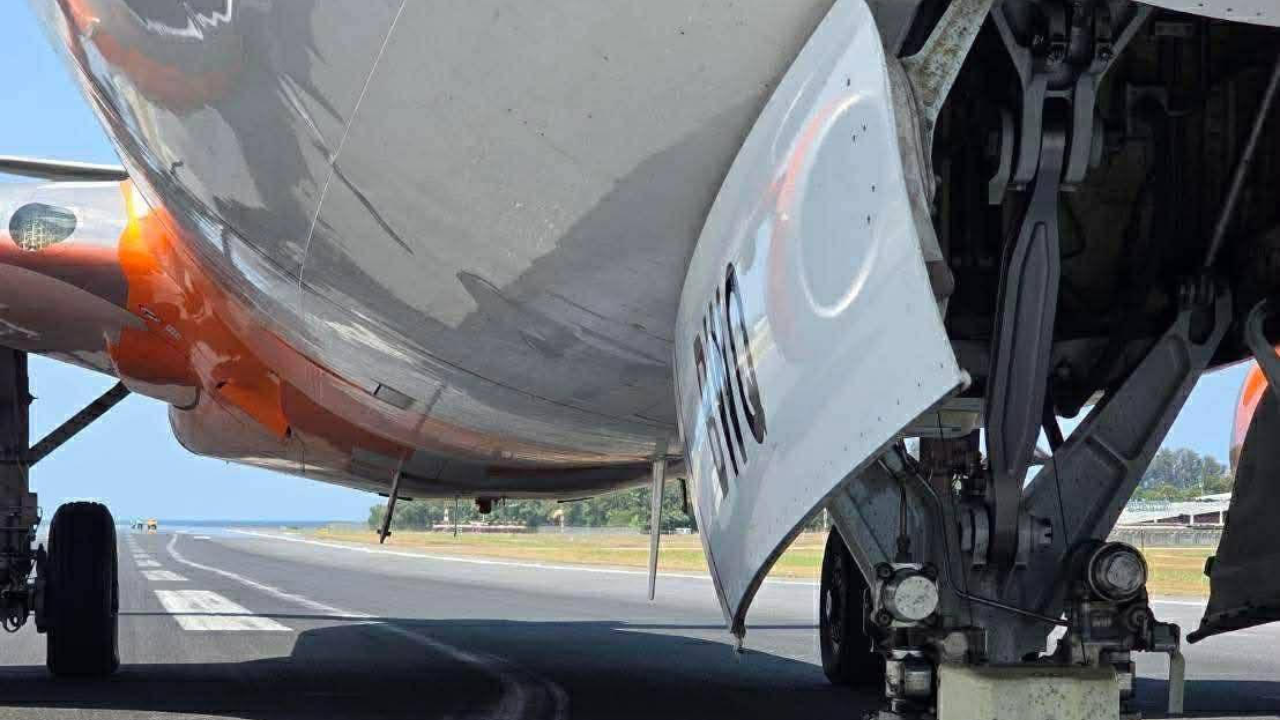
An Air India Express flight traveling from Hyderabad to Phuket experienced a serious incident during its landing. The aircraft hit the runway with significant force, causing it to bounce before touching down a second time. During this second impact, the nose wheels of the plane broke off, leaving the aircraft stuck on the runway. All 138 people on board, including passengers and crew members, were reported safe with no injuries.
Main Impact
The primary impact of this event was the immediate closure of the runway and the grounding of the aircraft. A hard landing that leads to the loss of landing gear is considered a major safety event in the aviation industry. While everyone survived without harm, the incident has raised questions about landing procedures and aircraft durability under stress. The Directorate General of Civil Aviation (DGCA) has launched a full investigation to determine if the cause was related to weather conditions, mechanical failure, or pilot error.
Key Details
What Happened
The flight was operated by a Boeing 737 MAX, a modern narrow-body aircraft. As the plane attempted to land at Phuket International Airport, it experienced what pilots call a "hard landing." This happens when an aircraft hits the runway with more vertical force than usual. In this case, the plane did not stay on the ground after the first touch. Instead, it bounced back into the air briefly. When it came down for the second time, the force was so great that the nose wheels detached from the landing gear assembly. The plane eventually came to a stop but could not move further, blocking the runway for other flights.
Important Numbers and Facts
There were 138 individuals on the plane at the time of the accident. This includes the flight crew and the passengers traveling from India to Thailand. The aircraft involved is a Boeing 737 MAX, which is a newer model used by many airlines globally. The incident occurred during the final phase of the flight, which had departed from Hyderabad. Following the event, emergency teams at the Phuket airport were deployed immediately to assist the passengers and secure the site.
Background and Context
Phuket is one of the most popular travel destinations for Indian tourists, and direct flights from cities like Hyderabad have become very common. Air India Express operates many of these routes as a budget-friendly option for travelers. Landing an aircraft is the most critical part of any flight. A "hard landing" can be caused by several factors, such as sudden changes in wind speed, known as wind shear, or a high rate of descent just before touching the ground. When a plane bounces during landing, it puts extreme pressure on the landing gear, which is designed to absorb shock but has limits. If those limits are exceeded, structural failure like the loss of wheels can occur.
Public or Industry Reaction
The aviation community is closely watching the results of the DGCA investigation. Safety experts point out that while the Boeing 737 MAX has faced many challenges in the past, this specific incident appears to be related to the physical landing process rather than the software issues that affected the model years ago. Passengers on social media expressed relief that no one was hurt, but many shared concerns about the frightening experience of a bouncing landing. Air India Express has stated that they are cooperating fully with authorities to understand exactly what went wrong during the approach to Phuket.
What This Means Going Forward
In the coming weeks, investigators will look at the flight data recorder, often called the "black box." This device will show the speed, altitude, and angle of the plane during its final seconds. They will also interview the pilots to understand their perspective of the landing. For the airline, this means the aircraft will likely be out of service for a long time for repairs and safety checks. For the wider industry, it serves as a reminder of the importance of rigorous training for landing in different weather conditions. Travelers may see temporary changes in flight schedules to Phuket while the airline manages its fleet following the loss of this aircraft from active service.
Final Take
The most important outcome of this incident is that 138 lives were protected. Modern aircraft are built with many safety features that prevent fires or total structural collapse even during a hard landing. However, the loss of the nose wheels is a serious matter that requires a deep look into safety protocols. As the investigation continues, the focus will remain on ensuring that such a mechanical failure does not happen again, keeping the skies safe for everyone.
Frequently Asked Questions
What is a hard landing?
A hard landing occurs when an airplane hits the runway with more force and speed than is normal. This can happen due to bad weather, wind, or errors during the final approach.
Were there any injuries in the Phuket incident?
No, all 138 passengers and crew members were reported safe. There were no injuries despite the damage to the aircraft's landing gear.
What happens to the plane now?
The aircraft is currently grounded and will undergo a detailed inspection and repairs. The DGCA will also study the plane's data to find the exact cause of the wheel detachment.



