
Summary
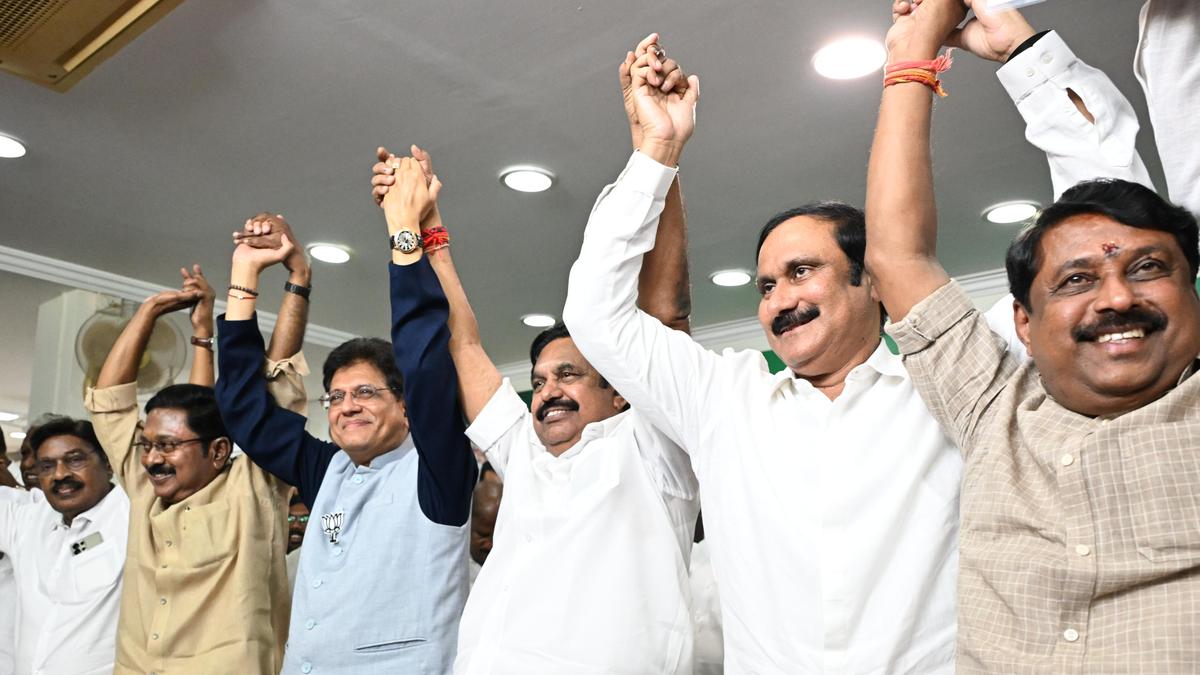
The AIADMK has officially claimed the majority of the most promising seats for the upcoming Tamil Nadu Assembly elections. By securing these high-potential constituencies, the party aims to strengthen its position against its main rivals. This strategic move ensures that the party keeps its traditional strongholds while leaving fewer certain seats for its alliance partners. The decision is a clear signal that the AIADMK intends to lead the charge and maintain a dominant role in the state's political future.
Main Impact
The primary impact of this seat-sharing arrangement is the consolidation of power within the AIADMK-led alliance. By holding onto the "lion’s share" of advantageous seats, the party is minimizing its dependence on smaller partners to reach a majority. This strategy is designed to prevent a situation where the lead party wins its seats but the alliance fails because smaller partners could not deliver in tougher areas. However, this move also puts a heavy burden on the AIADMK to perform exceptionally well, as the overall success of the coalition now rests almost entirely on their shoulders.
Key Details
What Happened
After several rounds of intense negotiations with its coalition members, the AIADMK leadership finalized a map of the constituencies it will contest. The party focused on identifying "advantageous" seats—those where they have a strong local network, a history of high vote shares, or where the opposition is currently weak. By prioritizing these areas, the party has effectively ring-fenced its most reliable zones of support. This ensures that their most influential leaders are placed in positions where they are most likely to win.
Important Numbers and Facts
The Tamil Nadu Assembly consists of 234 seats. In this latest agreement, the AIADMK is expected to contest a significant majority, likely exceeding 170 to 180 seats. This leaves a smaller pool of seats to be divided among its various allies. Historically, the party has performed well in the Western belt, often called the "Kongu" region, and parts of the South. Reports indicate that almost all the key seats in these regions have been kept by the AIADMK. The party has also set a strict deadline for its partners to accept the remaining seats to avoid any last-minute confusion before the filing of nominations.
Background and Context
In Tamil Nadu politics, the two major Dravidian parties—the DMK and the AIADMK—usually lead large alliances. These alliances are made up of smaller regional parties, caste-based groups, and national parties. The process of seat sharing is always a tense period. If a lead party gives away too many "winnable" seats to an ally, they risk losing the chance to form a government on their own. On the other hand, if they are too stingy, allies might leave the coalition. The AIADMK’s current choice to take the best seats shows they are prioritizing their own seat count over the comfort of their partners.
Public or Industry Reaction
Political analysts have noted that this move shows a high level of confidence within the AIADMK leadership. Some observers believe the party is trying to avoid the mistakes of the past where allies lost in crucial areas, dragging down the entire coalition. Within the alliance, the reaction has been mixed. While some smaller parties have accepted the deal to remain part of a powerful front, others are reportedly unhappy about being pushed into "difficult" seats where the opposition is traditionally very strong. The general public is watching closely to see if this "big brother" approach will lead to a unified front or cause internal friction during the campaign.
What This Means Going Forward
Moving forward, the focus will shift to candidate selection. Now that the AIADMK has the seats it wanted, it must pick candidates who can actually deliver the wins. There is no room for error. If the party fails to win these "advantageous" seats, their entire strategy will be questioned. Additionally, the party must work hard to ensure that the workers of their allied parties still support AIADMK candidates on the ground. If the allies feel ignored or mistreated during the seat-sharing phase, they might not put in the effort needed to help the AIADMK win in their respective areas.
Final Take
The AIADMK is taking a calculated risk by keeping the best seats for itself. This strategy puts the party’s own strength at the center of the election. While it secures their path to power if they win, it also leaves them with no one else to blame if they fall short. The success of this plan will depend on whether their grassroots supporters can turn this geographical advantage into actual votes on election day.
Frequently Asked Questions
What does "lion’s share of seats" mean in this context?
It means that the AIADMK has kept the largest and most desirable portion of the total 234 assembly seats for its own candidates, leaving much fewer for its partners.
Why are some seats called "advantageous"?
These are seats where a party has a very strong chance of winning due to past success, strong local leaders, or a large number of loyal supporters in that specific area.
How many seats are there in the Tamil Nadu Assembly?
There are a total of 234 seats in the Tamil Nadu Legislative Assembly, and a party or alliance needs 118 seats to form a majority government.



