
Summary
Artificial intelligence is moving faster than the rules meant to control it. At a major technology event in Barcelona, expert Kate Crawford warned that AI now has the power to make life-or-death decisions without enough human oversight. As these systems become part of everything from war to daily chores, the world faces a major choice about who stays in control. Understanding the history of technology is key to making sure these new tools help people instead of harming them.
Main Impact
The primary concern is the shift from humans making decisions to machines taking the lead. In military settings, AI can now identify and strike targets at a speed that humans cannot match. This creates a situation where the time between an idea and a deadly action is almost zero. Without clear rules, this speed makes it difficult to stop mistakes or hold anyone responsible for what happens on the battlefield or in our private lives.
Key Details
What Happened
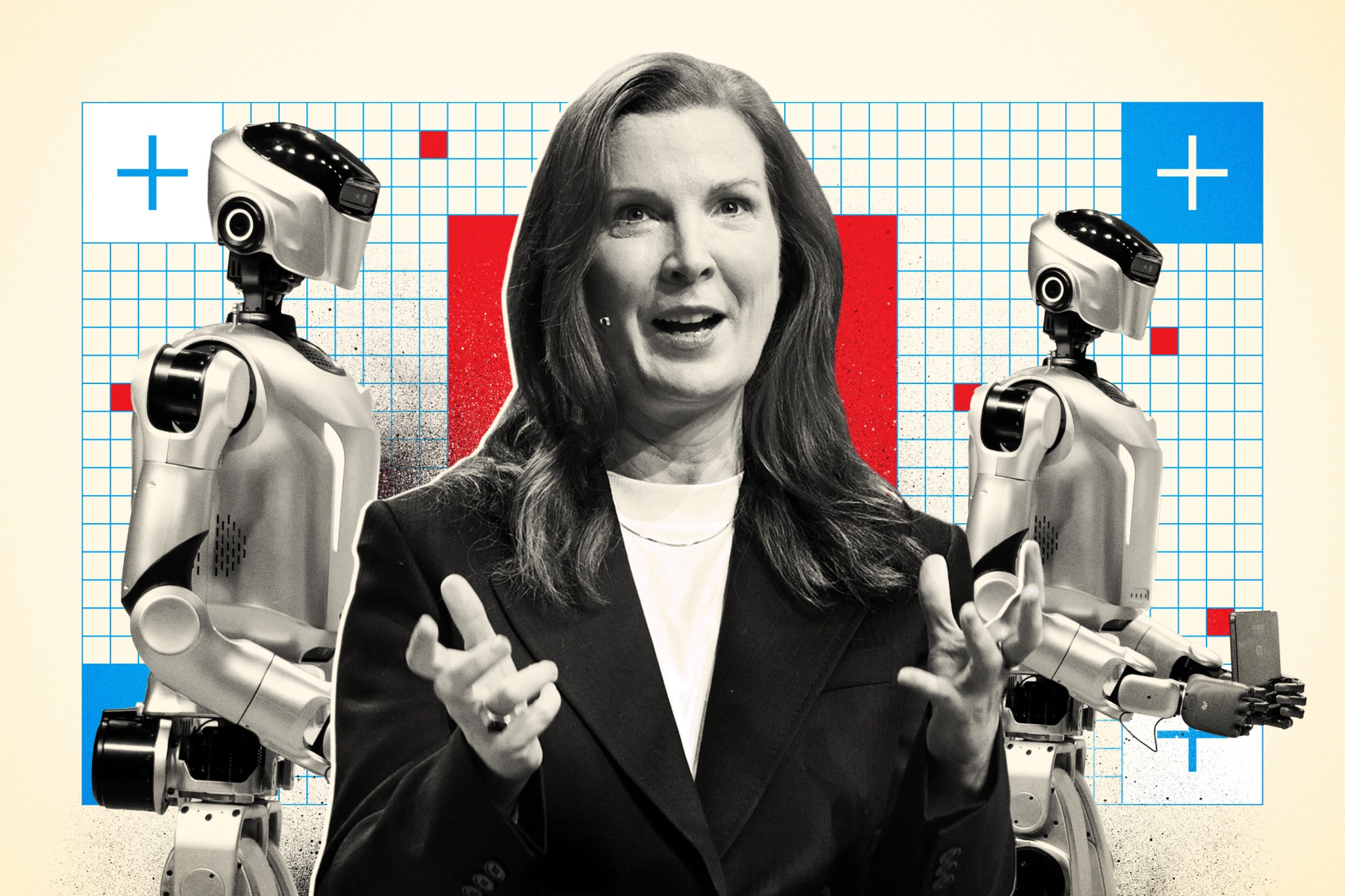
Kate Crawford, a researcher at the University of Southern California, spoke at the Mobile World Congress (MWC) 2026. She presented a massive 24-meter-long mural called "Calculating Empires." This artwork shows how technology and power have changed over the last 500 years. Crawford used this history to show that the current AI boom is not just about new gadgets, but about who gets to set the rules for how we live.
Important Numbers and Facts
The Mobile World Congress is a massive event that drew over 100,000 people this year. Major companies like Google, Huawei, and Qualcomm showed off robots and AI systems that connect to cars, phones, and even medical tools. Some experts, like the founder of DeepMind, believe that "artificial general intelligence"—machines that can do any task a human can—could be here in just five years. This rapid growth is why researchers are calling for immediate safety standards.
Background and Context
Technology has always changed how humans fight and live. In the 15th century, the invention of the matchlock gun changed war forever. Today, drone swarms and AI-guided missiles are doing the same thing. Crawford explains that "intelligence" in AI is not the same as human intelligence. Instead, it is a system of math and probability that follows tasks in complex settings. Because these systems are different from us, we cannot assume they will act with human values or caution unless we program them to do so.
Public or Industry Reaction
There is a growing debate among tech leaders about the risks of AI. While some companies want to "move fast and break things," others warn of a "short-term dystopia." This is a future where governments and regulators cannot keep up with machines that learn and decide on their own. Many in the industry are worried about "accountability laundering." This happens when companies, designers, and users all point at each other to avoid taking the blame when an AI system makes a harmful mistake.
What This Means Going Forward
In the near future, AI "agents" will likely handle many of our daily tasks. These agents might have access to our private emails, deleted photos, and unfinished text messages. This could end privacy as we currently know it. To protect people, Crawford suggests a system of "accountability forensics." This would create a clear chain of responsibility so that if an AI causes harm, the public knows exactly who is at fault. Regulators are expected to push for these strict rules to ensure humans remain in charge of the most important decisions.
Final Take
AI offers incredible benefits, but it also brings risks that the world has never seen before. The goal is to make sure technology serves humanity rather than controlling it. We are at a turning point where the standards we set today will decide if AI becomes a helpful partner or a dangerous force. Staying informed and demanding clear responsibility from tech creators is the only way to navigate this fast-changing world safely.
Frequently Asked Questions
What is "decision compression" in AI?
This refers to how AI can process information and take action much faster than a human. In war, this means the time between finding a target and attacking it becomes very short, leaving little time for human thought.
What does "accountability laundering" mean?
It is a term used when no one wants to take responsibility for an AI's actions. The software maker, the person using the tool, and the company that sold it all claim they are not the ones at fault when something goes wrong.
How could AI affect my personal privacy?
Future AI agents may be able to see and record everything you do on your devices. This includes reading drafts of emails you never sent or looking at photos you thought you deleted, which creates new risks for your personal data.



