Summary
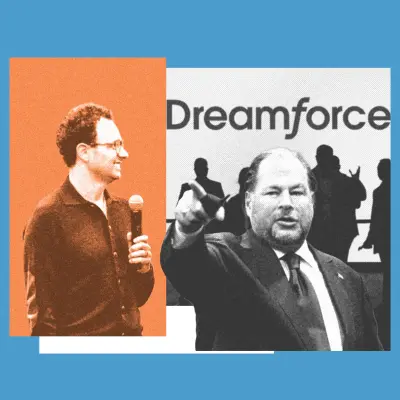
Top leaders in the technology world are looking at artificial intelligence as a way to expand their influence. Mark Zuckerberg of Meta and Jack Dorsey of Block are both exploring how AI can help them manage their large companies more effectively. While they have different ideas on how to use the technology, both see AI as a tool for gaining more control over their organizations. This shift could change the way companies are run and how employees interact with their bosses.
Main Impact
The biggest impact of this trend is the rise of the "Super CEO." In the past, a leader could only be in one meeting at a time and could only read a certain number of reports. AI changes this by acting as a digital extension of the leader. This allows a CEO to oversee thousands of projects at once without needing as many middle managers to report back to them. It creates a system where the person at the very top has a direct line of sight into every corner of the business.
Key Details
What Happened
Mark Zuckerberg has been vocal about turning Meta into an "AI-first" company. He imagines a future where AI agents can represent people. For a manager, this means having a digital version of themselves that can answer questions, give instructions, and keep track of work. This would allow Zuckerberg to "be everywhere" by having his AI agents handle the daily tasks of management.
Jack Dorsey takes a slightly different path. He is interested in using AI to remove the need for human layers in a company. By using smart software to analyze data and make decisions, he believes a company can run with fewer people in the middle. This makes the organization flatter and gives the leader more direct power over the final results. Both men are moving away from the traditional way of hiring hundreds of managers to watch over workers.
Important Numbers and Facts
Meta has already cut thousands of jobs in what Zuckerberg called the "Year of Efficiency." Many of these roles were middle management positions. The company is now spending billions of dollars on AI chips to build the systems needed for this new way of working. Similarly, Jack Dorsey has been cutting staff at Block to focus on a leaner, more tech-driven structure. Industry experts suggest that AI could eventually replace up to 30% of the tasks currently done by human managers in the next five years.
Background and Context
For a long time, big companies have struggled with "bloat." This happens when a company gets so large that the person at the top loses track of what is happening on the ground. To fix this, companies hire layers of managers. However, this often makes things slow and expensive. AI offers a new solution to this old problem. Instead of hiring more people, CEOs can use software that never sleeps and can process millions of pieces of information in seconds.
This move toward AI management is also a response to the fast pace of the tech world. Decisions need to be made quickly. If a CEO has to wait for a report to go through five different people, they might miss an opportunity. By using AI, leaders feel they can stay ahead of the competition by making faster, data-driven choices.
Public or Industry Reaction
The reaction to this vision is mixed. Some investors are happy because it means companies can spend less money on salaries and more on building new products. They see it as a way to make businesses more profitable. However, many workers are worried. There is a fear that AI will be used to watch employees too closely, creating a high-pressure environment where every second of work is tracked by an algorithm.
Privacy experts have also raised concerns. If a CEO uses AI to monitor everything, it could lead to a loss of trust within the company. Some critics argue that management requires a human touch, such as empathy and understanding, which a computer cannot provide. They worry that a company run by AI will become cold and robotic, losing the creativity that humans bring to the table.
What This Means Going Forward
In the coming years, we will likely see more companies follow the lead of Zuckerberg and Dorsey. The role of the middle manager may change from being a "boss" to being a person who manages AI tools. Companies will need to find a balance between using AI for efficiency and keeping their human workers happy and motivated. If the balance shifts too far toward AI control, it could lead to high turnover and a lack of innovation.
We should also expect to see new types of software built specifically for CEOs. These tools will not just be for writing emails or making charts. They will be designed to act as "digital twins" of the leaders themselves. This will raise new questions about who is actually in charge—the human leader or the software they created to represent them.
Final Take
The vision shared by these tech leaders shows that AI is not just about making better search engines or chatbots. It is about changing the nature of power in the workplace. While AI can make a company faster and more efficient, it also places a huge amount of control in the hands of a few people. The success of this new model will depend on whether leaders use their new "everywhere at once" powers to help their teams or simply to watch them.
Frequently Asked Questions
How will AI help CEOs manage their companies?
AI can analyze huge amounts of data, track employee performance, and even act as a digital assistant that gives orders. This allows a CEO to oversee many more projects than they could on their own.
Will AI replace middle managers?
It is likely that many tasks done by middle managers, such as scheduling and reporting, will be handled by AI. This may lead to fewer management jobs in the future as companies become "flatter."
What are the risks of using AI for management?
The main risks include a loss of privacy for workers, a lack of human empathy in decision-making, and the potential for a CEO to have too much power without enough checks and balances.