
Summary
Business leaders are calling for a massive, coordinated effort to manage how artificial intelligence changes the workforce. During a recent meeting of top executives, many agreed that the shift to AI could cause a major job crisis if it is not handled carefully. To prevent social unrest, leaders suggest a partnership between the government and private companies similar to the famous Manhattan Project. This effort would focus on retraining workers and ensuring that the benefits of new technology reach everyone, not just a small group of people.
Main Impact
The rise of AI is moving much faster than previous technology shifts, and this speed is creating a sense of urgency. If companies use AI only to cut costs and lay off workers, they risk a major public backlash. However, if they focus on "reskilling"—which means teaching workers new skills—they can help the economy grow. The main impact right now is a push for leaders to stop looking at AI as just a way to save money and start looking at it as a tool that requires a national strategy for labor.
Key Details
What Happened
A group called Just Capital recently held a meeting to discuss the future of American business. The event brought together CEOs and experts to talk about the challenges of AI. Because the meeting followed specific rules for privacy, leaders spoke openly about their fears and hopes. One major takeaway was that the United States is in a race with China to lead in AI. This competition adds pressure to move quickly, but moving too fast without a plan for workers could hurt the country's social stability.
Important Numbers and Facts
A new poll of more than 2,000 Americans shows how the public feels about this technology. Most people are excited about AI helping in fields like medicine, education, and engineering. However, they are very worried about their personal data and their jobs. According to the 2026 Edelman Trust Barometer, people actually trust businesses more than they trust the government or charities to handle these changes. This puts a lot of responsibility on company bosses to do the right thing.
Background and Context
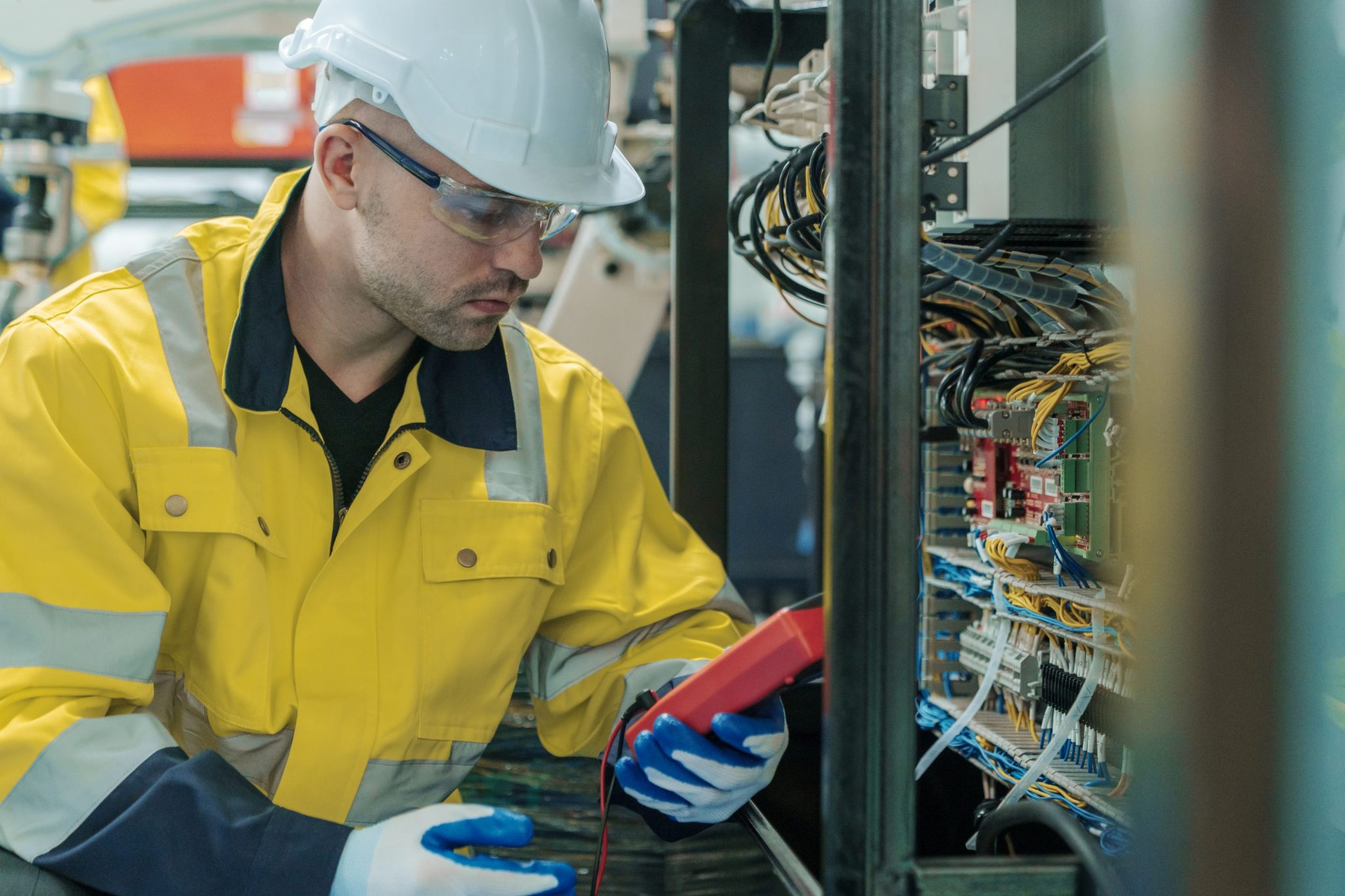
This discussion is happening at a time when the job market is already in a strange place. While some people fear AI will take jobs, there is also a huge shortage of workers in traditional trades. For example, the CEO of Ford, Jim Farley, has pointed out that the country desperately needs more electricians. Large investment firms like BlackRock are even putting millions of dollars into training programs for plumbers and technicians. These are stable, high-paying jobs that AI cannot easily replace. The goal is to find a balance between high-tech AI growth and the essential "blue-collar" work that keeps the country running.
Public or Industry Reaction
The reaction from the public is a mix of hope and anger. Many people feel that tech leaders in Silicon Valley are out of touch with reality. While some billionaires talk about a future where no one has to work, most regular people want the dignity and security of a steady job. There is also growing frustration over the gap between rich and poor. While CEO pay continues to rise, many families are struggling with high gas prices and the high cost of buying a home. If AI is seen as something that only helps the rich get richer while others lose their jobs, the public reaction could become very negative.
What This Means Going Forward
Going forward, the success of AI will depend on trust. Companies must prove that they can protect personal data and keep humans in charge of important decisions. There will likely be more calls for the government to work closely with tech companies to create new education programs. The "Manhattan Project" for labor would mean spending billions of dollars to make sure workers can transition into new roles. If this doesn't happen, the country could face a period of deep division and economic trouble. Leaders are beginning to realize that prosperity is only sustainable if everyone has a chance to participate in it.
Final Take
The transition to an AI-driven world is not just a technical challenge; it is a human one. Technology is moving at a record pace, but people need time and support to adapt. For AI to truly succeed, business leaders must prioritize the well-being of their employees as much as they prioritize their profits. The future of the American workforce depends on whether the public and private sectors can unite to turn this technological shift into an opportunity for all workers.
Frequently Asked Questions
What is the "Manhattan Project" for labor?
It is a proposed massive partnership between the government and private companies to quickly solve the job crisis caused by AI, similar to the large-scale effort used to develop technology during World War II.
Do people trust AI?
Most people like the idea of AI helping in medicine and school, but they are worried about losing their jobs and their privacy. They generally trust their employers more than the government to handle these issues.
Are there still jobs that AI cannot do?
Yes. There is currently a high demand for skilled trade workers like electricians, plumbers, and HVAC technicians. These roles are considered "essential" and are difficult for AI to replace.



