Summary
Artificial intelligence is growing at a rapid pace, but it has hit a major obstacle: a lack of electricity. Data centers that power AI models are consuming massive amounts of energy, leading tech leaders to look for creative solutions. Some of the world’s most famous billionaires are now considering moving these data centers into outer space to use solar power. While the idea is technically possible, experts warn that it will take many years before space can truly help solve the energy crisis on Earth.
Main Impact
The primary impact of this trend is a massive strain on the global power grid. As AI becomes more common, the computers needed to run it require more electricity than many cities. This has forced large tech companies to look beyond traditional power sources. They are now exploring nuclear energy, building their own power plants, and even looking at the stars. If the industry cannot find a way to get more power, the development of new AI tools could slow down significantly.
Key Details
What Happened
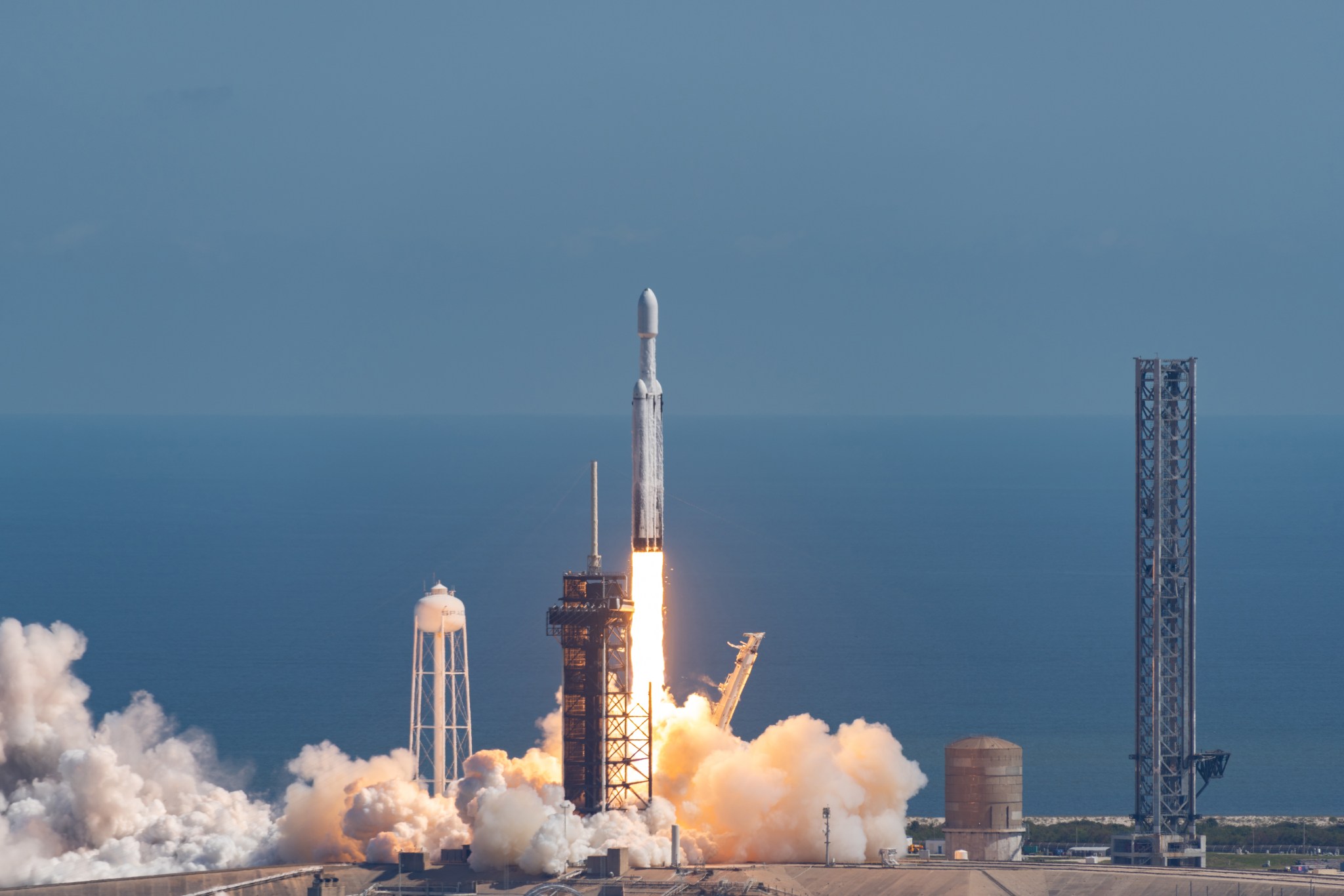
Tech companies are currently in a race to secure enough energy to keep their AI systems running. On Earth, building new power lines and plants takes a long time. Because of this delay, leaders like Elon Musk and Jeff Bezos are discussing the possibility of "orbital data centers." These would be large groups of computers circling the Earth, powered by constant sunlight. While this sounds like science fiction, the physics behind the idea are solid. However, the cost and the difficulty of sending heavy equipment into space remain huge hurdles.
Important Numbers and Facts
The scale of the power problem is shown in recent data. In the United States, data centers already use about 4% of all electricity. Experts believe this number will more than double by the year 2030. Globally, the demand for power from data centers could jump by 165% before the end of the decade. To keep up, the tech industry is expected to spend over $5 trillion on building data centers on the ground. Meanwhile, startups like World Labs are raising billions of dollars to create new AI, which will only increase the need for more power.
Background and Context
To understand why this matters, you have to look at how AI works. AI models are trained on huge amounts of data using thousands of powerful computer chips. These chips run at very high speeds and get very hot. On Earth, we use a lot of electricity not just to run the chips, but also to keep them cool with giant fans and water systems. As AI gets smarter, the models get bigger, and the need for cooling and power grows even faster.
The idea of putting servers in space has been around for about ten years. In the past, it was too expensive to launch anything into orbit. Today, companies like SpaceX have made it much cheaper to send rockets into space. This change has made the idea of space-based data centers seem more realistic to people who run big tech companies.
Public or Industry Reaction
The reaction to the idea of space data centers is mixed. People like Elon Musk are very optimistic. Musk has suggested that within five years, there could be more AI computing power in space than on the ground. He believes that solar energy in space is the most efficient way to power the future of technology.
On the other hand, many engineers and scientists are more cautious. They point out that space is a harsh environment. There is no air in space to help cool down hot computers. Getting rid of heat in a vacuum is very difficult. Also, if a computer breaks in space, you cannot simply send a technician to fix it. Because of these problems, many experts believe that while we might see small tests soon, large-scale space data centers are still decades away.
What This Means Going Forward
In the short term, tech companies will continue to struggle with power limits on Earth. We will likely see more deals between tech giants and energy companies. Some companies are already looking at small nuclear reactors to power their buildings. Others, like Accenture, are even changing how they promote employees based on how much they use AI, showing how deeply this technology is being pushed into the workplace.
In the long term, the move to space is likely to happen, but it will be a slow process. Engineers will need to invent new ways to keep computers cool in orbit and find ways to send data back to Earth faster. For now, space is a backup plan rather than a quick fix for our energy problems.
Final Take
The hunger for AI power is changing how we think about energy and infrastructure. While the stars offer a limitless supply of solar power, the practical challenges of working in space mean we must still solve our electricity problems on the ground first. The next decade will be a test of whether our power grids can keep up with our digital ambitions.
Frequently Asked Questions
Why does AI need so much electricity?
AI requires thousands of powerful chips to process data. These chips use a lot of energy to run and generate a massive amount of heat, which requires even more energy to cool down.
Is it really possible to put data centers in space?
Yes, the physics work. We can launch rockets and use solar panels for power. However, the main challenges are the high cost of launching heavy equipment and the difficulty of cooling the computers without air.
When will we see data centers in orbit?
Small tests and pilots might happen in the next few years. However, most experts believe it will take twenty to thirty years before space data centers are large enough to make a real difference.