Summary
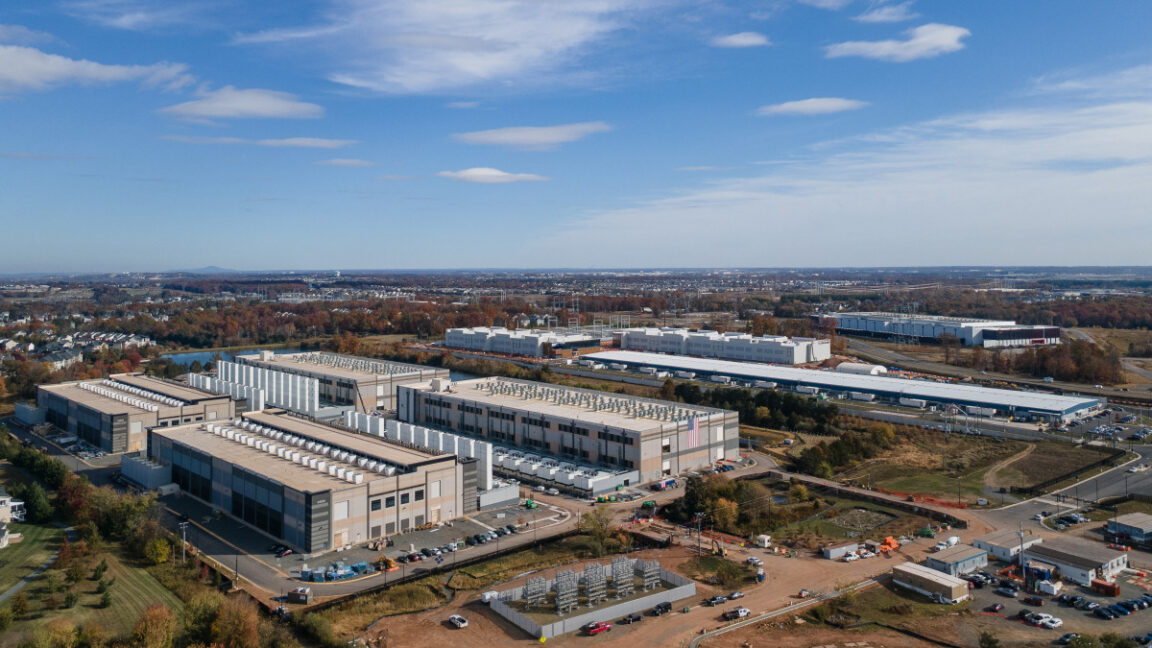
A new investigation shows that just 11 data center campuses in the United States could soon produce more greenhouse gases than the entire nation of Morocco. These centers are being built to support the massive growth of artificial intelligence (AI) for companies like Microsoft, Meta, and OpenAI. To get power quickly, these projects are using natural gas plants that operate outside the normal public power grid. This shift highlights a growing conflict between the rapid expansion of technology and global efforts to protect the environment.
Main Impact
The primary impact of this trend is a sharp increase in carbon emissions that could cancel out other environmental gains. As tech giants race to lead the AI market, their need for electricity has reached record levels. By building their own natural gas power plants, these companies can bypass the slow process of connecting to the public utility grid. However, this move relies heavily on fossil fuels, which release heat-trapping gases into the atmosphere. The scale of these emissions is so large that a small number of tech sites could soon rival the carbon footprint of medium-sized countries.
Key Details
What Happened
Recent reports based on air permit documents reveal that 11 specific data center sites are planning massive natural gas projects. These sites are designed to provide "behind-the-meter" power. This means the electricity is generated on-site specifically for the data center, rather than being pulled from the local power lines that serve homes and businesses. This allows tech companies to avoid the long wait times—sometimes lasting years—required to upgrade public power infrastructure.
Important Numbers and Facts
The data shows that these 11 projects alone have the potential to release more than 129 million tons of greenhouse gases every year. For comparison, this is higher than the total annual emissions of Morocco in 2024. The companies linked to these energy-hungry centers include some of the biggest names in the world, such as OpenAI, Meta, Microsoft, and Elon Musk’s xAI. These figures only represent a small portion of the hundreds of data centers currently planned or under construction across the United States.
Background and Context
For years, many large tech companies have promised to become "carbon neutral" or "carbon negative." This means they aim to remove as much carbon from the air as they put into it. However, the sudden rise of AI has changed the situation. AI programs require much more computing power than standard web searches or social media apps. This computing power needs a constant, massive supply of electricity.
The public power grid in many parts of the U.S. is old and cannot keep up with this new demand. In many cases, power companies tell tech developers they will have to wait years for a connection. To stay ahead of competitors, tech companies are choosing to build their own gas-fired engines and turbines. While natural gas is often described as "cleaner" than coal, it still produces significant pollution and methane leaks, which contribute to climate change.
Public or Industry Reaction
The reaction to these projects has been mixed. On one side, the tech industry argues that these private power plants are necessary to keep the U.S. at the forefront of AI innovation. They also claim that by generating their own power, they avoid putting extra strain on the public grid, which could lead to blackouts for regular citizens.
On the other side, environmental groups and local residents are worried. Many people fear that these large gas plants will lead to higher levels of local air pollution. There is also a concern that if tech companies use up the available natural gas supply, prices for heating and electricity could go up for everyone else. Climate experts warn that these projects make it much harder for the U.S. to meet its goals for reducing national emissions.
What This Means Going Forward
Looking ahead, the "behind-the-meter" trend is likely to grow. As more AI tools are released, the demand for data centers will only increase. This creates a difficult choice for lawmakers. They must decide whether to allow the fast construction of gas plants to support the economy or to set strict limits to protect the climate. If more companies follow this path, the total emissions from the tech sector could grow faster than the emissions from many industrial nations. This may force a rethink of how data centers are regulated and how they are required to report their environmental impact.
Final Take
The AI boom is moving much faster than the transition to clean energy. While AI has the potential to solve many problems, its current growth is tied to a significant increase in fossil fuel use. The fact that 11 campuses can produce as much pollution as an entire country shows that the environmental cost of our digital future is much higher than many people realized. Balancing the need for high-tech progress with the need for a healthy planet will be one of the biggest challenges of the next decade.
Frequently Asked Questions
What is "behind-the-meter" power?
It refers to electricity generated on-site by a company for its own use. This power does not come from the public utility grid, allowing the company to avoid grid delays and public utility rules.
Why are data centers using natural gas instead of solar or wind?
Data centers need a constant, 24-hour supply of huge amounts of power. While solar and wind are cleaner, they are intermittent. Natural gas provides a steady flow of energy that can be set up more quickly than large-scale battery storage or nuclear power.
Which companies are involved in these high-emission projects?
Major tech firms including Microsoft, Meta (the owner of Facebook), OpenAI, and xAI are among the companies building or planning these massive, energy-intensive data center campuses.