
Summary
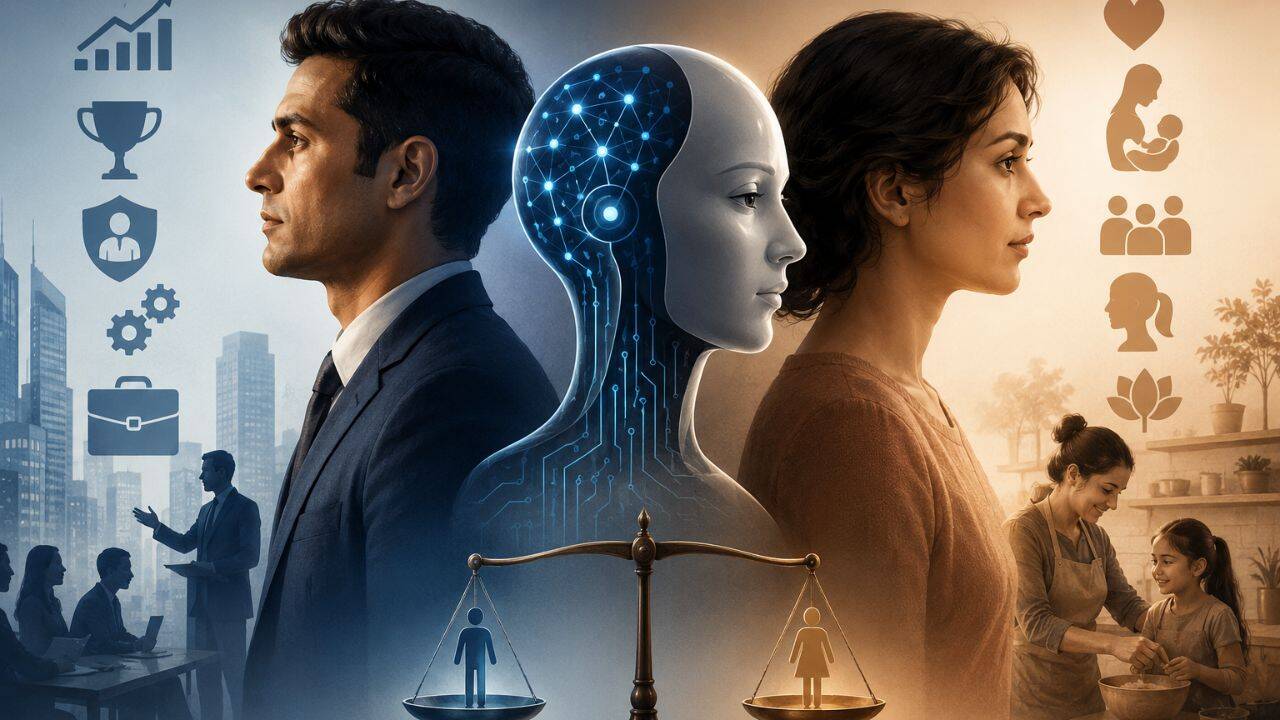
A new test shows that popular AI tools still carry hidden stereotypes, even after companies promised to fix them. Researchers asked AI chatbots to describe people based on their jobs, names, and backgrounds. The results showed that AI often links certain jobs with specific genders and races, repeating old biases. This matters because millions of people now use AI for hiring, writing, and daily tasks. If AI thinks in stereotypes, it can spread unfair ideas without users knowing.
Main Impact
The test found that AI tools like ChatGPT and Google's Gemini still show clear bias. When asked to describe a "nurse," the AI often used words like "caring" and "female." For "engineer," it used words like "logical" and "male." This shows that AI models learn from old data that contains human biases. The impact is serious because companies use AI to screen job applications, write school essays, and even give medical advice. If the AI has bias, it can hurt people's chances unfairly.
Key Details
What Happened
Researchers from a university ran a simple test. They gave AI chatbots a list of 50 common jobs. For each job, they asked the AI to write a short description of the person who does that job. They also asked the AI to suggest names for people in those jobs. The results were clear: AI linked jobs like "teacher" and "secretary" with women, and jobs like "CEO" and "pilot" with men. It also showed racial bias, linking some jobs with certain ethnic names.
Important Numbers and Facts
The test covered 50 jobs and 10 popular AI models. In 8 out of 10 models, the AI showed strong gender bias for 40% of the jobs. For example, 9 out of 10 times, the AI used female pronouns for "nurse" and male pronouns for "doctor." The test was done in June 2026. The researchers said the bias was "worse than expected" because AI companies had promised to fix these issues after earlier complaints.
Background and Context
AI models learn from huge amounts of text from the internet, books, and news. This old data often contains stereotypes from real life. For example, if most news stories about nurses use "she," the AI learns to think nurses are female. AI companies have tried to reduce bias by adding rules and filters. But this test shows those fixes are not working well. The problem is hard to solve because bias is deep in the training data. Experts say it will take more than simple filters to fix it.
Public or Industry Reaction
Civil rights groups said the test proves that AI is not safe for important decisions. They called on governments to make stricter rules for AI companies. Some tech companies responded by saying they are working on better methods to find and remove bias. But critics say the companies are moving too slowly. A spokesperson for one AI company said, "We take bias seriously and are improving our models." But the test results show that improvements have not yet reached the public versions of the tools.
What This Means Going Forward
This test shows that AI bias is not a small problem. It is a big risk for people who use AI for hiring, banking, or healthcare. If AI keeps linking jobs with gender and race, it can make inequality worse. For example, a hiring AI might reject a qualified woman for a engineering job because it thinks engineers are men. Going forward, experts say AI companies need to be more open about how their models work. Governments may also need to step in with laws that require fairness tests before AI tools are released.
Final Take
AI still thinks like a stereotype, and that is a problem for everyone. The test shows that promises from tech companies are not enough. Real change will need better data, stronger rules, and constant checking. Until then, users should be careful when using AI for important tasks. The technology is powerful, but it still carries the same old biases that humans have.
Frequently Asked Questions
Why does AI have stereotypes?
AI learns from text written by people, which contains old biases. If the training data links certain jobs with specific genders or races, the AI learns those links. Simple filters are not enough to remove these deep biases.
Can AI bias be fixed completely?
Experts say it is very hard to fix bias completely. It requires better training data, careful testing, and ongoing updates. Many companies are working on it, but no AI model is fully free of bias today.
How can I check if AI is biased?
You can run simple tests yourself. Ask the AI to describe a job or suggest a name for a role. See if it uses the same gender or race every time. If it does, the AI likely has bias. Always question AI results that involve people.



