
Summary
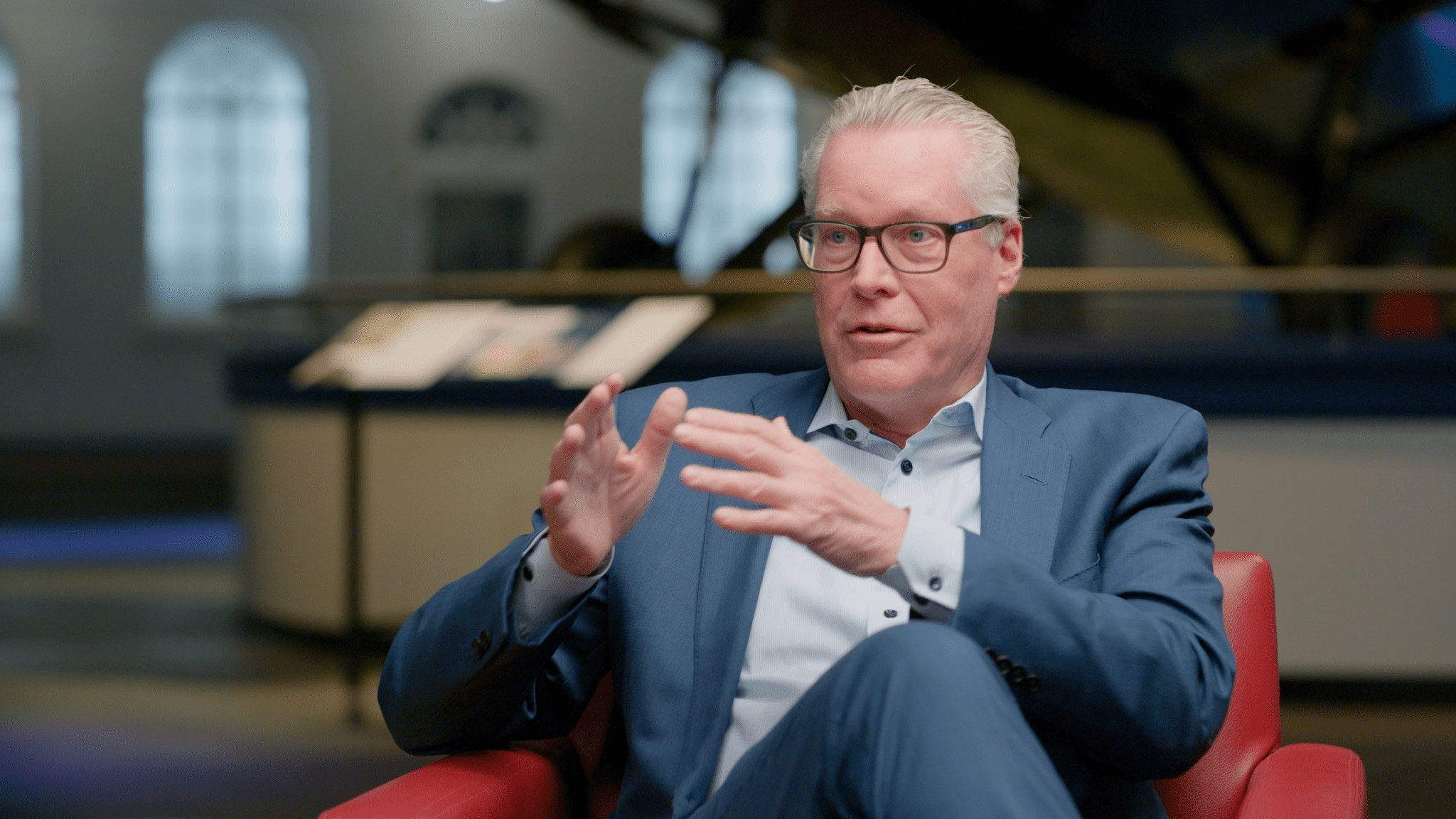
Delta Air Lines CEO Ed Bastian believes that artificial intelligence (AI) will have its most significant impact on air traffic control rather than the passenger cabin. While many companies focus on how AI can change the in-flight experience, Bastian argues that fixing the systems that manage the skies is more important. By using AI to modernize outdated technology, the aviation industry could reduce delays and make travel much more efficient for everyone. This shift is seen as a necessary step to solve long-standing problems with flight times and safety.
Main Impact
The primary impact of using AI in air traffic control would be a major boost in how quickly and reliably people can travel. Currently, the systems used to guide planes are old and struggling to keep up with the number of flights in the air. Bastian suggests that AI can help by better predicting weather patterns, managing turbulence, and organizing how planes move through the sky. If these improvements are made, it could solve the problem of flights taking longer today than they did several decades ago. This change would benefit both airlines and passengers by creating a smoother, faster travel process.
Key Details
What Happened
During a recent interview, Ed Bastian explained that while AI is already being used in small ways, its biggest potential remains untapped. Delta has already introduced an AI tool called Delta Concierge, which helps travelers track bags and get answers to common questions through an app. However, Bastian pointed out that the real "unlock" for the industry is not a digital assistant. Instead, it is the modernization of the air traffic control system. He noted that current technology is so old that some screens look like they are from the 1960s or 1970s. Using AI to handle complex data about the atmosphere and flight paths could finally bring these systems into the modern era.
Important Numbers and Facts
The scale of the problem is clear when looking at the data. A government report found that some critical flight safety systems are between 2 and 50 years old. To fix this, the U.S. government has announced a plan to spend $31.5 billion on modernization. This plan includes updating 4,600 sites across the country with new radars and radios. Additionally, the industry is facing a massive staffing shortage, with about 3,800 fewer certified controllers than needed. This has led to workers being forced to work 10-hour days and six-day weeks, which increases the risk of mistakes and exhaustion.
Background and Context
The air traffic control system in the United States has been under heavy pressure for years. It relies on technology that has not kept up with the growth of the travel industry. This lack of modernization has real-world consequences. For example, Bastian mentioned that flying from Atlanta to New York actually takes longer now than it did in the 1950s. This is because the "highways in the sky" are crowded and managed by old tools. Recent safety concerns have also brought more attention to the issue. There have been close calls and accidents at airports that investigators believe may be linked to staffing issues or human error in the control tower. These events have pushed leaders to look for technological solutions like AI to help human workers do their jobs more safely.
Public or Industry Reaction
The response to these challenges has been a mix of government action and cautious optimism from agencies. The Federal Aviation Administration (FAA) has started using "large language models"—a type of AI that can read and understand text—to scan safety reports and find hidden risks. However, the FAA is clear that AI will not replace people. They view it as a tool to help experts, not a substitute for human judgment. Meanwhile, airline leaders like Bastian are supporting government plans to build new control towers and replace old infrastructure. The general feeling in the industry is that while AI is a powerful tool, it will take a long time and a lot of money to fully change how the skies are managed.
What This Means Going Forward
Looking ahead, the focus will be on how quickly the government and airlines can roll out these new technologies. The $31.5 billion investment is a start, but building new towers and installing AI systems across thousands of sites will take years. For passengers, this means that flight delays and long travel times will likely continue in the short term. However, as AI begins to help controllers manage airflow and weather more accurately, the industry hopes to see a steady improvement in reliability. The goal is to create a system that is the "envy of the world" by combining human expertise with the speed of modern computing.
Final Take
While fancy gadgets inside a plane are nice, they do not solve the core problem of a crowded and outdated sky. The real future of aviation depends on fixing the foundation of how planes are guided from the ground. By focusing AI on air traffic control, the industry can finally move past the technology of the 1960s and provide the fast, safe, and efficient travel that modern passengers expect.
Frequently Asked Questions
How is Delta currently using AI?
Delta uses an AI-powered tool called Delta Concierge in its mobile app. This assistant helps a small group of users track their luggage and get real-time answers to questions about their flights.
Why does air traffic control need AI?
The current system uses very old technology and faces a shortage of thousands of workers. AI can help by processing data faster, predicting weather issues, and helping controllers manage heavy flight traffic more efficiently.
Will AI replace human air traffic controllers?
No. The FAA and airline leaders say that AI is meant to be a helpful tool for human experts. It will assist them in identifying risks and managing data, but humans will still make the final decisions regarding flight safety.



