
Summary
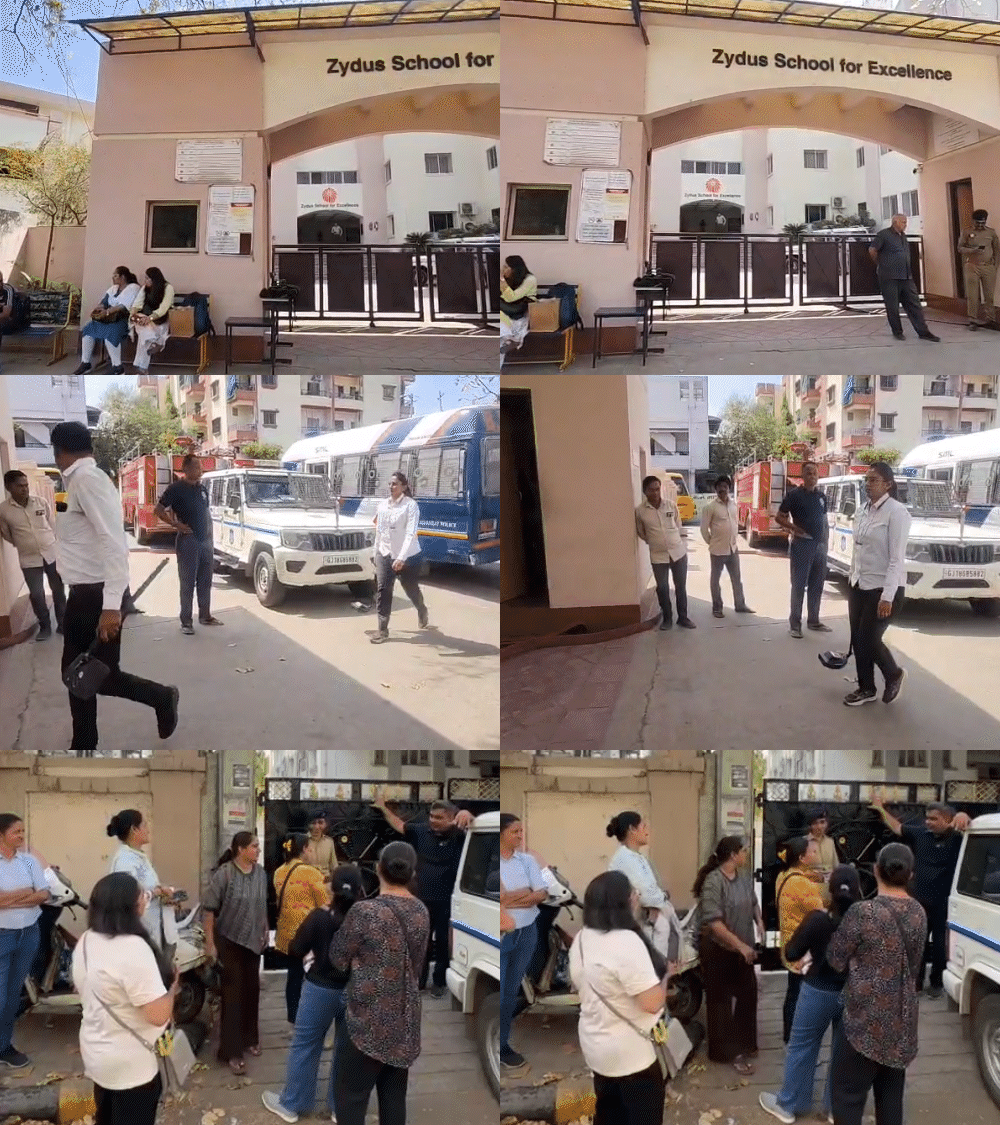
On March 18, 2026, 23 schools in Ahmedabad received threatening emails claiming that bombs would explode on their campuses. These threats arrived on the final day of the state board exams, causing a massive panic among students, teachers, and parents. The emails mentioned "Khalistan" and warned of blasts at specific times in both schools and the state assembly building. While police searches found no explosives, the incident disrupted exams and forced security forces into high alert across the city.
Main Impact
The primary impact of these threats was the immediate disruption of the Gujarat Board exams. Students appearing for the Class 10 Social Science paper and the Class 12 History paper faced a stressful situation as police and dog squads arrived to search their schools. The exams were delayed by about an hour in several locations. Beyond the schools, the threat also targeted the Vithalbhai Patel Bhavan, which is the state assembly building, creating a security challenge for the entire government administration.
Key Details
What Happened
Early in the morning, school administrators found emails in their inboxes claiming that IED bombs had been planted. The sender stated that the blasts would occur at 1:11 PM in the schools and at 2:11 PM at the state assembly. The message used political language, demanding that the Chief Minister support a specific political movement. As news of the emails spread, worried parents rushed to the schools to check on their children, leading to crowded streets and chaotic scenes outside school gates.
Important Numbers and Facts
A total of 23 schools were targeted in this wave of threats. This included 19 schools within Ahmedabad city limits and 4 schools in the surrounding rural areas. This is the fourth major instance of mass bomb threats sent to Gujarat schools in the last four months. Police confirmed that the emails were sent using encrypted services to hide the identity of the sender. Despite the detailed timing mentioned in the emails, no suspicious items were found after thorough inspections by the bomb disposal squads.
Background and Context
This event is part of a troubling pattern of "cyber threats" hitting Gujarat. Since December 2025, several groups of schools and even courts have received similar messages. In February 2026, 40 schools were targeted, and in January, 15 schools received threats just before Republic Day. These messages often use the names of high-profile political leaders to gain attention. Experts believe these are not physical attack plans but are instead a form of "mental warfare" designed to create fear, test the response time of the police, and disturb the daily life of the city.
Public or Industry Reaction
The reaction from parents was one of deep concern and anger. Many questioned how these threats could happen so frequently during important exam periods. The police and the Cyber Crime Unit have been working to track the digital path of the emails. They explained that criminals often use Virtual Private Networks (VPNs) and temporary email services to hide their IP addresses. An IP address is like a digital home address for a computer. By hiding it, the senders make it very difficult for local police to find their real location, especially if they are operating from another country.
What This Means Going Forward
Moving forward, the Gujarat government and police face the challenge of stopping these hoax emails without causing a panic every time one is received. The Cyber Crime Unit is expected to work with international agencies like Interpol to track the servers used by the senders. Schools may also need to update their security protocols to handle such threats more calmly. While these threats have turned out to be fake so far, the authorities must treat every message as a real danger until a full search is completed, which continues to drain public resources and time.
Final Take
While no physical harm occurred, the psychological toll on students during their board exams is significant. These repeated threats show a clear attempt to use digital tools to disrupt the peace of the state. The focus now remains on identifying the individuals behind these emails to prevent future scares that put thousands of families on edge.
Frequently Asked Questions
Were any bombs actually found in the schools?
No. After a full search by the police, dog squads, and bomb disposal teams, no explosives or dangerous items were found in any of the 23 schools.
How do the police track the person who sent the email?
The Cyber Crime Unit looks at "email headers" to find the sender's IP address. They also contact email service providers for login data and may work with international police if the sender is outside the country.
What should parents do if a school receives a threat?
Parents are advised to stay calm and follow the instructions provided by the school and local police. Authorities usually conduct a search quickly to ensure the safety of all students before allowing anyone to enter or leave the building.



