
Summary
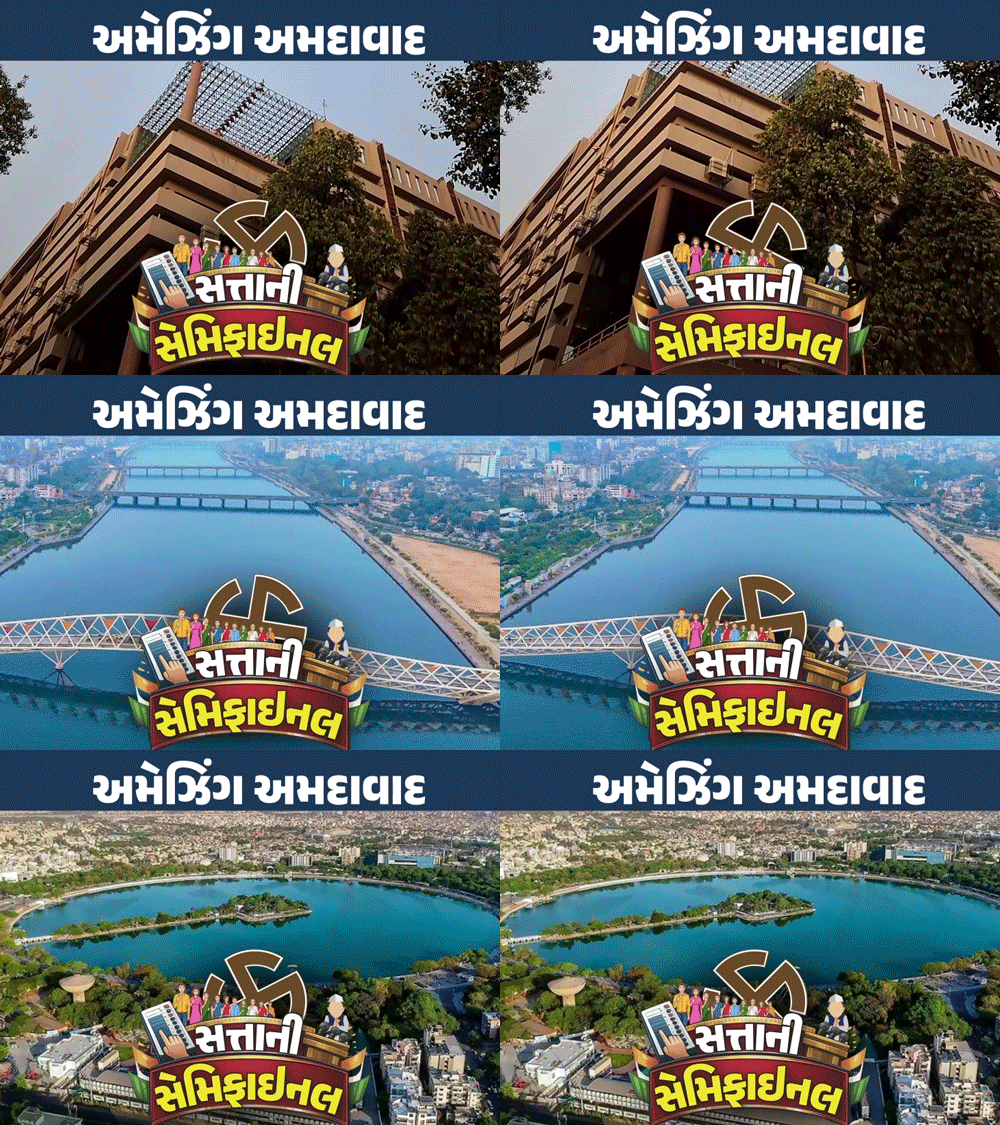
The Ahmedabad Municipal Corporation (AMC) is marking a major milestone as it reflects on 200 years of history. From its humble beginnings at the Bhadra Fort to its current status as a global "Smart City," the journey has been filled with big dreams and hard work. Leaders like Ranchhodlal Chhotalal and Sardar Patel played key roles in building the city we see today. While the city has gained international fame for projects like the Sabarmati Riverfront, it still faces several old problems that affect daily life for its residents.
Main Impact
The growth of the AMC has changed Ahmedabad from a traditional walled city into a modern hub of business and culture. This development has put the city on the global map, attracting tourists and investors from around the world. However, the impact is not just about big buildings and riverfronts. The way the city is managed affects how people move, breathe, and live every day. As the city prepares for an important vote on April 26, the focus is shifting back to whether the local government can solve basic issues while continuing to build grand projects.
Key Details
What Happened
The story of Ahmedabad’s local government began long ago with a vision to modernize the city. One of the most famous moments in this history was when the entire city gathered at Bhadra Fort to see the first electric lights. This was a symbol of progress at the time. Over the decades, the AMC expanded its reach, moving from providing basic water and light to managing massive infrastructure projects. The transition from a small municipal body to a "Smart City" administration shows how much the city has grown in size and wealth.
Important Numbers and Facts
The AMC has a history spanning two centuries, making it one of the oldest and most experienced municipal bodies in India. A key date for the city is April 26, when residents will go to the polls to choose their representatives. Despite the progress, experts point out seven major problems that still haunt the city. These include issues with stray cattle on the roads, traffic jams, and the need for better waste management. These "seven bulls," as they are sometimes called, represent the hurdles that the city must overcome to truly become a world-class urban center.
Background and Context
To understand Ahmedabad today, one must look at the leaders of the past. Ranchhodlal Chhotalal was a pioneer who saw the potential of the city early on. He was instrumental in bringing the textile industry to the region, which earned Ahmedabad the nickname "Manchester of the East." Later, Sardar Vallabhbhai Patel served in the municipal corporation, bringing a sense of discipline and strong administration. Their work laid the foundation for the modern AMC. In recent years, the city has focused on "mega-projects" like the Sabarmati Riverfront, which transformed a dry riverbed into a popular public park and walkway. This project showed that the city could handle large-scale engineering and design tasks.
Public or Industry Reaction
The reaction from the public is a mix of pride and frustration. On one hand, people are proud of the new bridges, the clean riverfront, and the "Smart City" tag. They enjoy the modern amenities and the growing prestige of the city. On the other hand, many residents feel that basic services are being ignored. Common complaints include broken roads after the rainy season, the danger of stray animals in residential areas, and the rising cost of living. Industry experts suggest that while the city looks good on the outside, the internal systems for handling daily complaints need to be faster and more efficient.
What This Means Going Forward
The upcoming election on April 26 is more than just a political event; it is a chance for the people to decide the direction of the city. The next set of leaders will have to find a balance between high-tech development and solving basic neighborhood problems. If the AMC can fix the "seven major problems" while continuing to innovate, Ahmedabad could become a model for other cities in India. The focus will likely stay on improving public transport, making the city greener, and ensuring that every citizen has access to clean water and safe roads.
Final Take
Ahmedabad has come a long way from the days of oil lamps at Bhadra Fort. The city has proven it can dream big and finish massive projects that impress the world. However, the true success of a city is measured by the quality of life of its poorest citizens and the safety of its streets. As the city moves into its next century, the challenge will be to ensure that the "Smart City" vision includes everyone and solves the simple problems that have lasted for far too long.
Frequently Asked Questions
Who were the key leaders in the history of the AMC?
Ranchhodlal Chhotalal and Sardar Vallabhbhai Patel were two of the most important figures who helped shape the administration and vision of the Ahmedabad Municipal Corporation.
What are the main challenges facing Ahmedabad today?
While the city is modernizing, it still struggles with seven major issues, including stray cattle on the streets, traffic congestion, and maintaining road quality during the monsoon.
Why is April 26 an important date for the city?
April 26 is the day set for voting, where the residents of Ahmedabad will choose the representatives who will lead the municipal corporation and decide the city's future development.



