
Summary
Ahmedabad has undergone a massive transformation over the last 200 years, moving from a historic walled city to a modern global hub. The Ahmedabad Municipal Corporation (AMC) has played a central role in this journey, guided by the vision of early leaders like Ranchhodlal Chhotalal and Sardar Vallabhbhai Patel. While the city now boasts world-class projects like the Sabarmati Riverfront, it still faces several basic urban challenges. As the city prepares for an important vote on April 26, residents are looking back at its rich history while demanding solutions for current problems.
Main Impact
The growth of Ahmedabad is not just about new buildings; it is about how a local government changed the lives of millions. From the first time electric lights turned on at the Bhadra Fort to the creation of the Smart City project, the AMC has shaped the city's identity. This development has turned Ahmedabad into a major economic center in India. However, the impact of this growth is a mix of pride in modern infrastructure and frustration over long-standing issues like traffic and stray animals that continue to affect daily life.
Key Details
What Happened
The story of Ahmedabad’s administration began long ago when the city was much smaller. One of the most famous figures in this history is Ranchhodlal Chhotalal, often remembered for his incredible vision. He was a pioneer who brought the textile industry to the city, which earned Ahmedabad the name "Manchester of the East." His work laid the foundation for the municipal services we see today. Later, Sardar Vallabhbhai Patel served in the municipality, focusing on hygiene, clean water, and urban planning. These leaders turned a traditional town into a structured city.
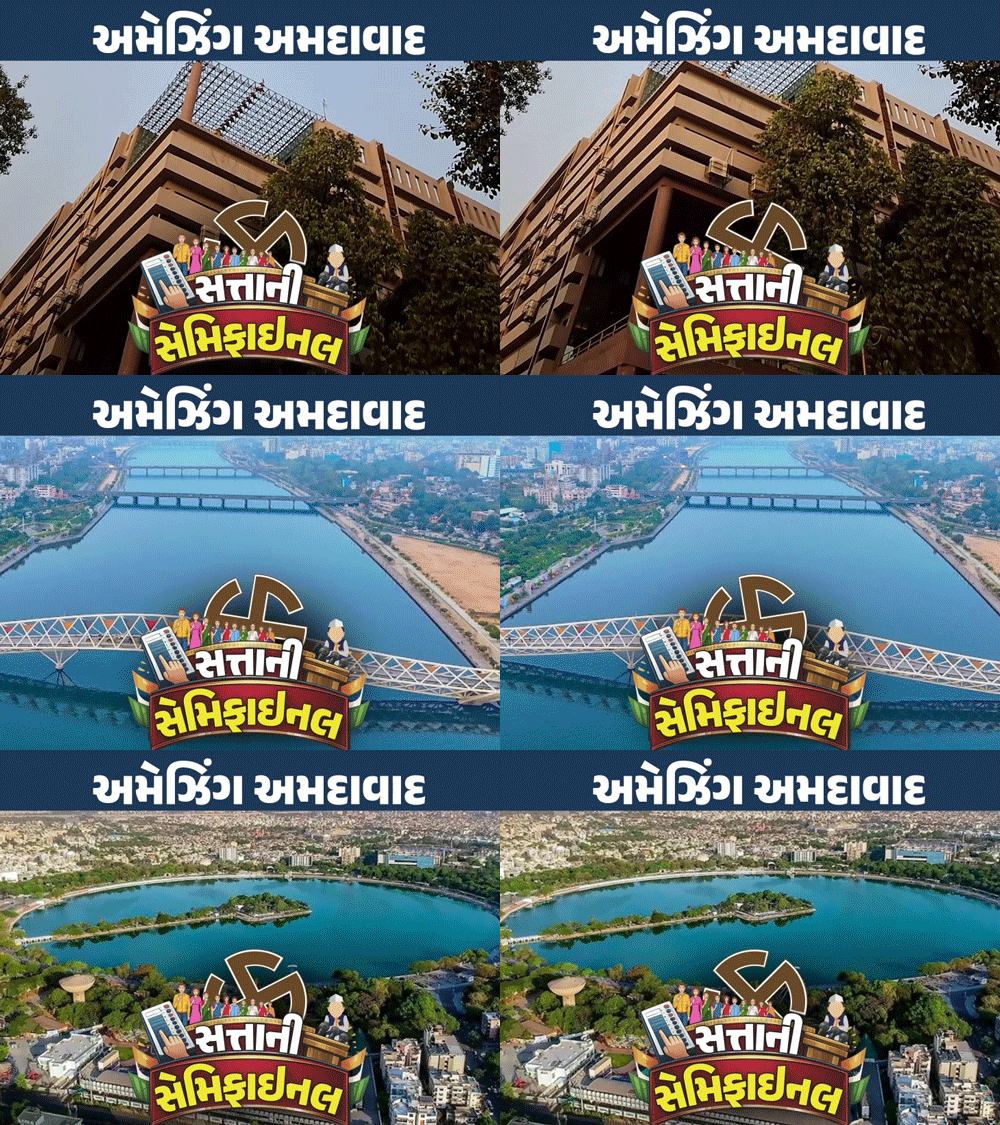
A major turning point in the city's history was the introduction of electricity. When the Bhadra Fort was first lit up, people from all over the city gathered to see the sight. It was a symbol of progress. In recent decades, the focus shifted toward large-scale projects. The Sabarmati Riverfront changed the face of the city, turning a dry riverbed into a popular public space. Today, the AMC manages a vast area that includes flyovers, BRTS bus tracks, and digital services.
Important Numbers and Facts
The history of the AMC spans two centuries of growth and change. The city is now preparing for a significant event on April 26, when citizens will cast their votes. This election is seen as a way for the public to voice their opinions on the current state of the city. Despite the progress, there are seven major problems that the AMC still needs to solve. These include the issue of stray cattle on the roads, water logging during the monsoon, and the need for better waste management. These problems remain a priority for the thousands of people living in both the old and new parts of the city.
Background and Context
To understand why Ahmedabad is so important, we must look at its roots. For a long time, the city was defined by its fort walls and narrow streets. As the population grew, the city expanded outward. The AMC had to adapt to this rapid growth by building new roads, schools, and hospitals. The transition from a textile-based economy to a modern industrial and IT hub required a lot of planning. The city has always been a place where tradition meets modern ideas. This balance is what makes the history of the AMC so interesting to residents and historians alike.
Public or Industry Reaction
The people of Ahmedabad have a strong sense of pride in their city. Many residents talk fondly about the changes they have seen over the decades. Business leaders often praise the city for its infrastructure, which helps trade and industry grow. However, there is also a lot of criticism regarding basic services. Social media and local news often highlight the "seven big problems," such as the danger posed by stray bulls on busy streets. Citizens feel that while the city looks great on the global map, the local government must not ignore the small things that make life difficult for the common man.
What This Means Going Forward
The upcoming vote on April 26 is a chance for the people to decide the future direction of the city. The AMC faces the challenge of maintaining its "Smart City" status while fixing old issues. In the coming years, the focus will likely be on better traffic control and more green spaces. The city also needs to ensure that the benefits of development reach every neighborhood, not just the wealthy areas. If the AMC can solve the persistent problem of stray animals and improve road safety, it will truly live up to the vision of its early founders.
Final Take
Ahmedabad has come a long way from the first lights at Bhadra Fort to the shining lights of the Riverfront. The city's history is a story of great leaders and big dreams. While the progress is clear, the real test for the AMC lies in how it handles the daily struggles of its citizens. True growth happens when a city is both modern and easy to live in for everyone.
Frequently Asked Questions
Who were the key leaders in the history of the AMC?
Ranchhodlal Chhotalal and Sardar Vallabhbhai Patel were two of the most important leaders who helped shape the city's early administration and infrastructure.
What is the significance of the date April 26?
April 26 is the day set for voting, where the citizens of Ahmedabad will participate in the electoral process to choose their representatives.
What are the main challenges facing Ahmedabad today?
The city faces several issues, including stray cattle on roads, traffic congestion, and the need for better management of basic public services during the rainy season.



