
Summary
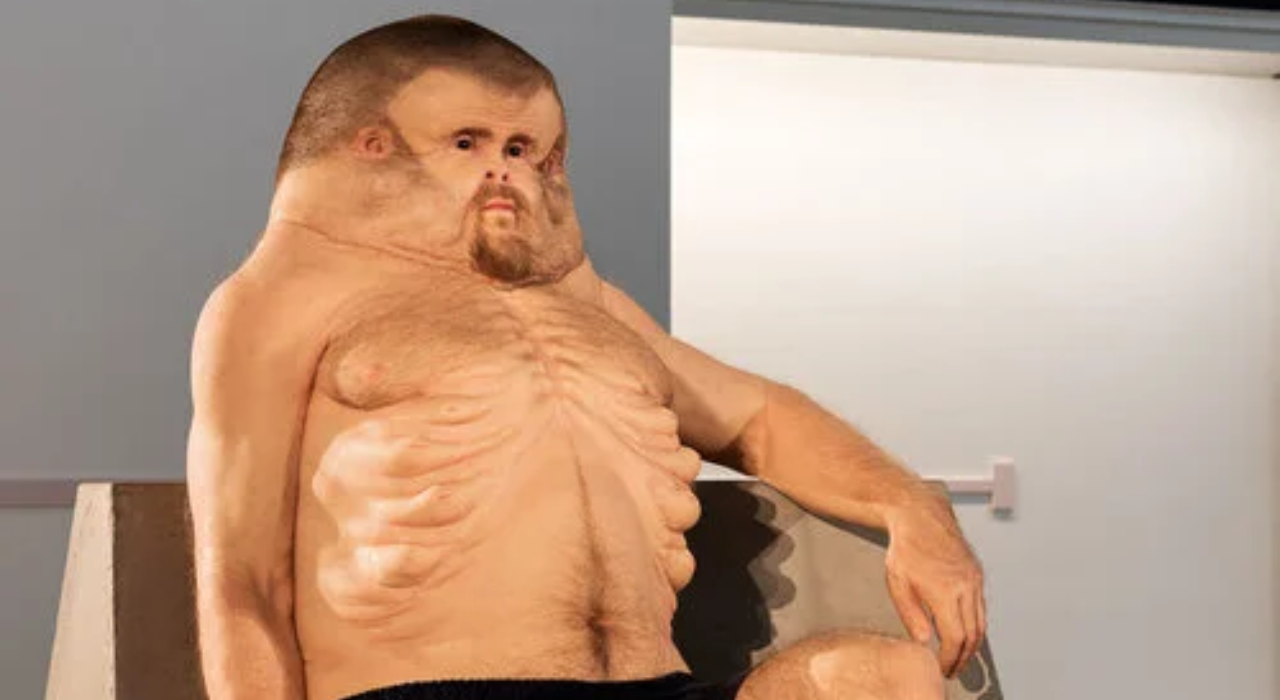
Graham is a lifelike model designed to show what a human would need to look like to survive a high-speed car crash. Created by safety experts in Australia, this project highlights the fact that the human body has not evolved to handle the force of modern road accidents. Because our bodies are fragile, the project suggests that we must focus on better road design and safer vehicles to prevent deaths. Graham serves as a visual reminder that humans are not built for the speeds at which we travel today.
Main Impact
The creation of Graham has changed how people think about road safety by showing the physical limits of the human body. Most people do not realize how much damage a car crash does to internal organs and bones. By showing a body that could survive such an event, the project makes it clear that regular humans are incredibly vulnerable. This shift in thinking moves the focus away from just blaming drivers and places more importance on building a transport system that protects fragile living things.
Key Details
What Happened
The Transport Accident Commission (TAC) in Victoria, Australia, worked with a team of experts to create Graham. The team included a trauma surgeon, a crash investigation expert, and a famous artist. Together, they looked at how the body breaks during an accident and redesigned it to be "crash-proof." Graham does not look like a normal person because he has features specifically meant to protect his brain, heart, and limbs from extreme force.
Important Numbers and Facts
The human body is only built to survive impacts at speeds we can reach on our own, which is about 15 to 20 miles per hour. However, many car crashes happen at 60 miles per hour or faster. At these speeds, the force of an impact is many times stronger than what our bones can handle. Graham’s design includes a much thicker skull, a lack of a neck to prevent snapping, and skin that is much tougher than a normal human's to prevent road rash and deep cuts.
Background and Context
For thousands of years, humans moved at walking or running speeds. Our biology evolved to protect us from falls or collisions at those slow speeds. When cars were invented, we suddenly began moving much faster than our bodies were ever meant to go. While cars have added safety features like airbags and seatbelts, the human body inside the car remains the same as it was thousands of years ago. This project was started to show that we cannot wait for evolution to protect us; we have to use engineering and smarter laws to stay safe.
Public or Industry Reaction
When Graham was first shown to the public, the reaction was a mix of shock and curiosity. Many people found his appearance strange or even scary, which was the goal of the creators. By making something that looks so different from a normal person, the TAC successfully grabbed the world's attention. Safety experts have praised the project for making the science of car crashes easy to understand for everyone. It has become a famous tool for teaching students and drivers about the dangers of high-speed travel.
What This Means Going Forward
The lesson from Graham is that we must continue to improve "Safe System" thinking. This means accepting that humans will always make mistakes while driving, but those mistakes should not result in death. Going forward, this means building roads with more barriers that absorb energy, designing cars that can brake on their own, and lowering speed limits in areas where pedestrians and cars mix. Since we will never look like Graham, our environment must become safer to make up for our physical weaknesses.
Final Take
Graham is a powerful tool because he shows us a truth we often ignore: we are very soft and cars are very hard. He is not a vision of the future of humans, but a warning about the present. To stay safe on the road, we cannot rely on our bodies to protect us. Instead, we must rely on careful driving, better technology, and roads designed with human frailty in mind. Safety is not just about being a good driver; it is about acknowledging that we are not built for the speeds we use every day.
Frequently Asked Questions
Is Graham a real person?
No, Graham is a lifelike sculpture made of silicone, fiberglass, and human hair. He was created by an artist and medical experts to show a "crash-proof" human body.
Why does Graham have no neck?
In a car crash, the neck is one of the most common places for a serious injury. By removing the neck and bringing the ribs up to the skull, Graham is protected from whiplash and broken vertebrae.
What are the sacks on his chest for?
The sacks between his ribs act like small airbags. They are designed to absorb the force of an impact and protect his heart and lungs from being crushed during a collision.

