
Summary
Abhishek Banerjee, a top leader of the Trinamool Congress (TMC), has praised the Supreme Court of India for stepping into a major dispute over voter lists in West Bengal. He called the court's action a "victory for democracy" and for the people of the state. The dispute involves claims that many legitimate voters were being removed from the official lists without a fair chance to speak up. This court intervention comes after days of protests by the TMC against the Election Commission of India.
Main Impact
The most significant outcome of the court's involvement is the protection of voting rights for millions of citizens. By ordering the creation of a special appeal system, the Supreme Court has ensured that people whose names were deleted can challenge those decisions. This move limits the power of the Election Commission to make final changes to the voter rolls without oversight. It also gives hope to those who feared they would be unable to vote in the upcoming elections.
Key Details
What Happened
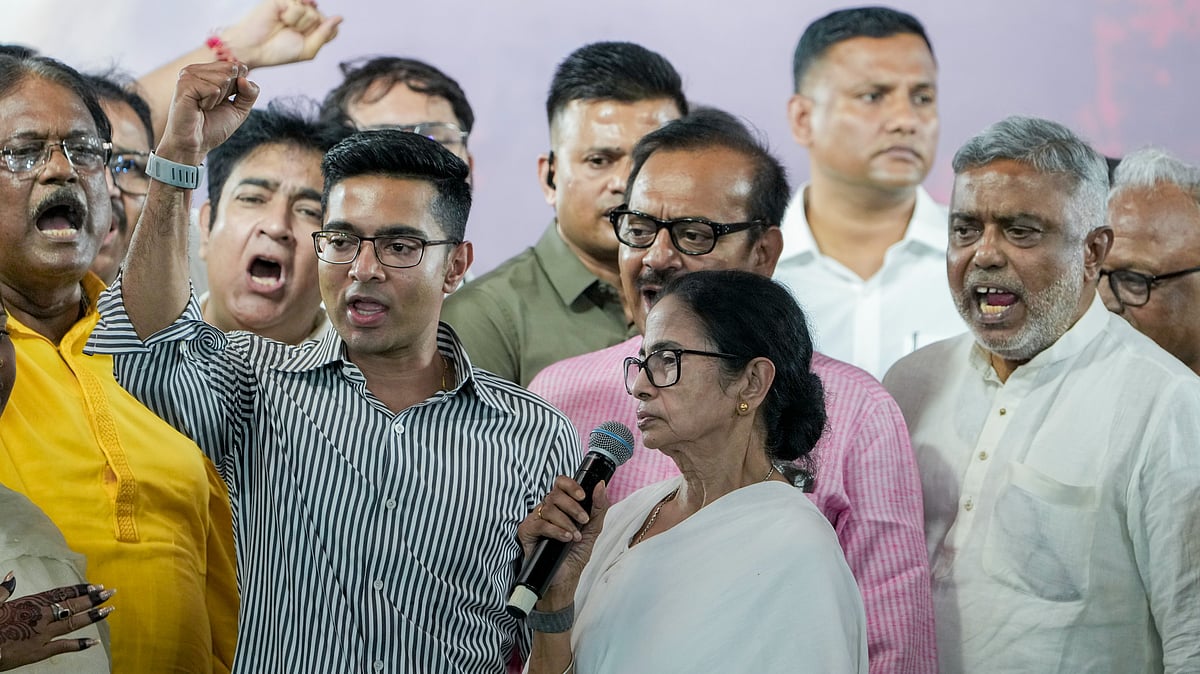
Abhishek Banerjee spoke to a large crowd during a protest in Kolkata. He explained that the Supreme Court heard arguments about how the voter list was being handled. The TMC's legal team told the court that the Election Commission was removing names unilaterally. This means the commission was making decisions on its own without letting the affected people explain their situation. Banerjee claimed the court was unhappy with this process and told the commission to set up safeguards.
Important Numbers and Facts
Several key figures and dates highlight the scale of this issue. Chief Minister Mamata Banerjee had been protesting on the streets for five days before the court's decision. Abhishek Banerjee mentioned that around 6 million voters are currently "under adjudication," which means their status is unclear or being questioned. To fix this, the TMC plans to send leaders to all Assembly constituencies and reach out to voters at approximately 80,000 polling booths across West Bengal. The court also suggested that in this special case, people might be allowed to register to vote until the very day before the election begins.
Background and Context
In India, the voter list, or electoral roll, is a list of everyone who is allowed to vote. Before elections, the Election Commission updates this list to add new voters and remove those who have moved or passed away. However, in West Bengal, the TMC has accused the commission of working with the opposition to remove the names of genuine voters who support the current state government. The TMC argues that the commission used technical problems in its computer systems to slow down the process of adding people back to the list. This tension led to a high-profile protest by the state's top leaders.
Public or Industry Reaction
Abhishek Banerjee used the moment to criticize both the Election Commission and certain parts of the media. He praised local journalists for asking the Chief Election Commissioner, Gyanesh Kumar, tough questions. He contrasted these journalists with what he called "godi media," a term used to describe news outlets that are seen as too friendly to the central government. Banerjee also used social media to mock the Chief Election Commissioner, calling him "Vanish Kumar" because he allegedly failed to provide clear answers during his visit to the state. The TMC leader insisted that no official is above the law or the Constitution.
What This Means Going Forward
The next steps involve a massive effort to fix the voter lists. A new appeal tribunal will be formed with retired judges to hear complaints from people who were removed from the rolls. Abhishek Banerjee has asked party workers to help citizens fill out "Form 6," which is the application used to register as a voter. He emphasized that this help should be given to everyone, regardless of which political party they support or what religion they follow. Additionally, Abhishek asked Mamata Banerjee to end her sit-in protest now that the court has addressed their main concerns. The party will now shift its focus to a large-scale political campaign across the entire state.
Final Take
The Supreme Court's decision serves as a reminder that the right to vote is a fundamental part of a fair society. By creating a way for citizens to fight back against administrative errors or bias, the court has added a layer of fairness to the election process. While the political battle between the TMC and the Election Commission is likely to continue, the immediate focus has shifted to ensuring that every eligible citizen in West Bengal can cast their ballot. The outcome of this dispute could set a precedent for how voter lists are managed in other parts of the country.
Frequently Asked Questions
Why did the Supreme Court get involved in the voter list issue?
The court stepped in because there were serious allegations that the Election Commission was removing valid voters from the list without giving them a chance to defend their right to vote.
What is the new appeal tribunal?
It is a special group of retired judges who will listen to cases where people believe their names were wrongly taken off the voter list. This gives citizens a fair way to fix mistakes.
What should people do if their name is missing from the voter list?
Abhishek Banerjee advised people to submit a "Form 6" application at their local election office to get re-registered. He also told his party workers to help anyone who needs assistance with this process.

