
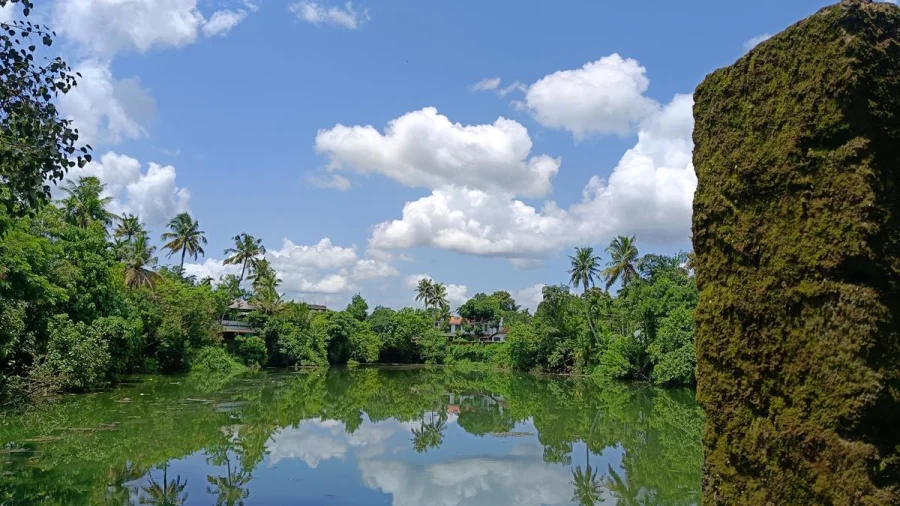
For residents living near the hilly terrain of Ernakulam district, the rainy season brings more than just waterlogged roads. It turns dozens of abandoned quarries into death traps — deep, concealed pools with no fences, no warnings, and no oversight. At least 70 such sites remain open, and the count is growing.
Why abandoned quarries in Ernakulam are a growing danger
These quarries, once excavated for granite and building stone, have been left inactive for years. Rainwater fills them to depths often exceeding 20–30 feet. Without fencing or signboards, children playing nearby or unaware locals can easily slip into the water. In neighbouring districts, similar quarries have claimed lives every monsoon. Ernakulam is no exception, but official action has been slow.
Who is most at risk and what locals say
The villages of Kunnathunad, Kanayannur, and parts of Aluva taluk report multiple abandoned pits. Schoolchildren walking through rural paths, farmers using the water, and even teenagers swimming underestimate the hazards. “We have warned the panchayat, but the quarry is still open. Last year a teenage boy almost drowned,” a resident from a nearby ward told local media, though no official confirmation is available.
What district officials have done so far
Ernakulam district administration, under the Mining and Geology Department, has conducted preliminary surveys. The number of abandoned quarries is pegged at over 70, but many remain unregistered in local records. Officials say funds are needed to fence each site — estimated at several lakhs per quarry. A proposal to involve local self-governments for fencing and bio-fencing (using thorny plants) has been discussed, but no timeline has been fixed.
The hidden costs: environment, safety and mental stress
Beyond drowning risks, abandoned quarries become garbage dumping grounds, attracting stray animals and spreading diseases. Stagnant water also becomes a mosquito breeding site, adding to vector-borne disease burden. The lack of reclamation or conversion into useful water bodies means a permanent hazard remains.
What remains unclear and what needs verification
While media reports suggest about 70 quarries, the exact number is not officially published. Whether all are deep enough to be fatal, or whether any have been partially fenced, remains unclear. Some panchayats claim they lack budget; others say land ownership disputes delay action. These points need official verification.
How other districts in Kerala have handled this
In Palakkad and Thrissur, some abandoned quarries have been converted into check dams or fenced off after fatalities. Ernakulam’s proximity to Kochi increases the risk of illegal quarrying and dumping. Lessons from these districts show that a coordinated approach — with community involvement — works faster.
What residents and local bodies can do right now
Until permanent fencing comes, villagers can report unsafe quarries to the District Disaster Management Authority. Temporary measures like trenches, thorny bushes, or bamboo barriers can reduce risk. Panchayats can demand quarry owners to bear the cost of fencing under the Kerala Minor Mineral Concession Rules.
What the future looks like for quarry safety in Ernakulam
The state government has announced a comprehensive quarry reclamation policy, but implementation is years away. For now, Ernakulam may continue to see these 70+ abandoned pits as silent risks — until another tragedy forces action.
Our Take
The situation in Ernakulam reflects a systemic gap in post-mining land management. Quarries are dug for profit, but when they stop yielding stone, society inherits the liability. With monsoons becoming more intense due to climate change, these water-filled pits will only grow deeper and more dangerous. The district administration must move from surveys to action — before the next headline becomes a casualty count.
Frequently Asked Questions
How many abandoned quarries are there in Ernakulam?
Reports indicate at least 70 abandoned quarries across the district, though the exact number could be higher as many are unmapped.
Why are abandoned quarries dangerous?
They fill with rainwater, often 20–30 feet deep, without fencing or warning signs. Children and locals can accidentally fall in, leading to drowning.
Who is responsible for securing abandoned quarries?
Quarry owners are legally responsible, but when they are untraceable or defunct, the local panchayat and district administration step in. Funding is often a challenge.
What can be done to prevent accidents?
Fencing, warning boards, bio-fencing, and converting pits into managed water bodies are common solutions. Public awareness and reporting also help.



