
Summary
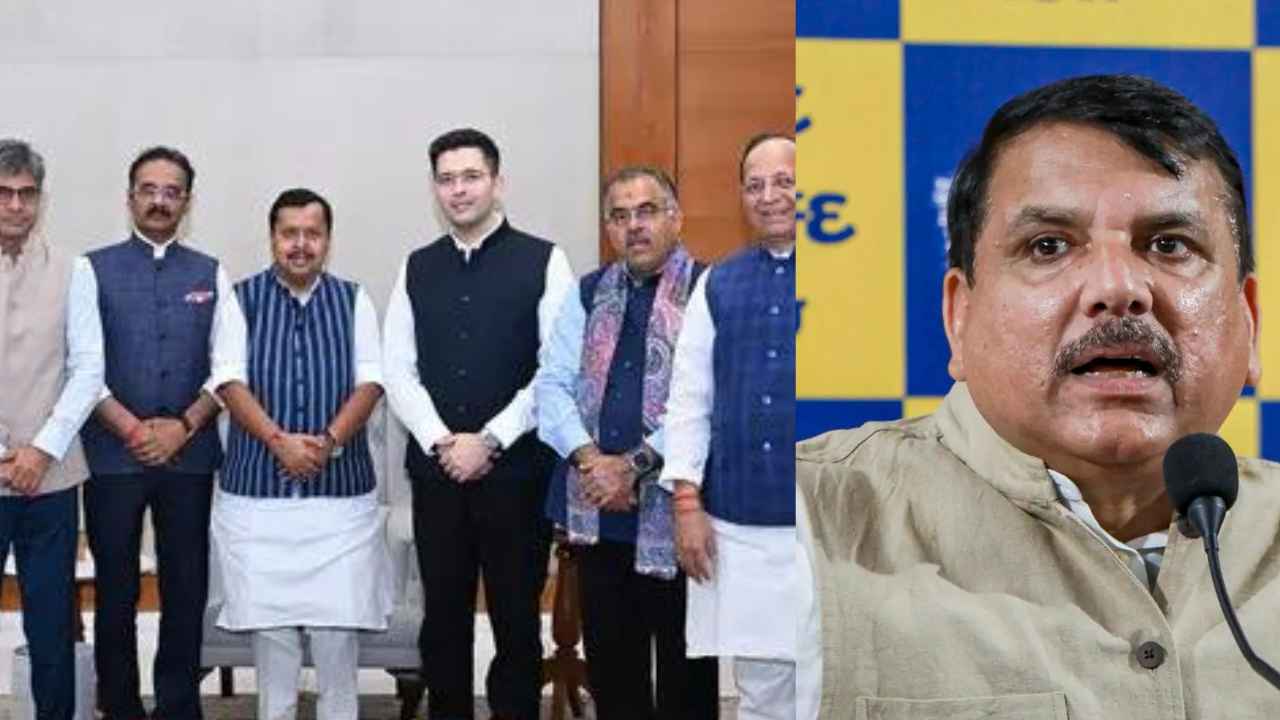
The Aam Aadmi Party (AAP) has taken a major legal step by asking the Rajya Sabha Chairman to disqualify seven of its members. These lawmakers recently left AAP to join the Bharatiya Janata Party (BJP). AAP argues that this move violates the rules of the Indian Constitution regarding political loyalty. This situation has created a significant legal and political debate about how lawmakers should behave after they are elected to office.
Main Impact
The primary impact of this petition is the potential change in the number of seats held by different parties in the Rajya Sabha. If the Chairman decides to disqualify these seven members, they will lose their positions in Parliament immediately. This would be a blow to the BJP's current strength in the house and a victory for AAP in maintaining party discipline. It also serves as a warning to other politicians that switching sides can lead to the loss of their official roles.
Key Details
What Happened
The Aam Aadmi Party filed a formal request, known as a petition, with the office of the Rajya Sabha Chairman. The party claims that the seven MPs who moved to the BJP have "voluntarily given up" their membership in AAP. Under Indian law, when a person is elected as a representative of one party but then joins another, they are often seen as having abandoned their original party. AAP is using this rule to argue that these members no longer have the right to sit in the Rajya Sabha as representatives.
Important Numbers and Facts
The case involves seven specific members of the Rajya Sabha. These members were originally part of AAP but have now aligned themselves with the BJP. The legal basis for this action is the 10th Schedule of the Indian Constitution. This part of the law is commonly known as the Anti-Defection Law. It was created to ensure that politicians stay loyal to the party that helped them get elected. The petition was sent directly to the Vice President of India, who holds the position of Chairman of the Rajya Sabha and has the power to make a final decision on such matters.
Background and Context
To understand why this matters, it is important to know how the Anti-Defection Law works in India. In the past, many politicians would switch parties frequently to gain power or money. This made the government very unstable. To stop this, the law was changed in 1985. Now, if a member of Parliament leaves their party or votes against their party's orders, they can be removed from their seat. There are very few exceptions to this rule. One exception is if two-thirds of a party's members decide to merge with another party. In this case, AAP argues that the seven members do not meet any of the legal exceptions and must be removed.
Public or Industry Reaction
The reaction to this move has been divided along political lines. Supporters of AAP believe that the party is doing the right thing by holding these members accountable. They argue that voters chose these individuals because they represented AAP's ideas, and joining the BJP is a betrayal of that choice. On the other side, some political analysts suggest that the MPs may have left due to internal disagreements within AAP. The BJP has welcomed the new members, but they now face the challenge of defending these seats in a legal battle. Legal experts are currently looking at the evidence to see if the MPs' actions fit the exact definition of "defection" under the law.
What This Means Going Forward
The next step is for the Rajya Sabha Chairman to review the petition. The Chairman will likely ask the seven MPs to explain their side of the story. This process can take some time, as both sides will present legal arguments. If the MPs are disqualified, their seats will become vacant. This would lead to new elections for those specific seats in the Rajya Sabha. Furthermore, this case could go all the way to the Supreme Court if the MPs decide to challenge the Chairman's final decision. This situation will likely influence how parties manage their members in the future and may lead to even stricter rules regarding party switching.
Final Take
This move by AAP is a clear attempt to use the law to protect its political standing. By seeking the disqualification of these seven members, the party is trying to show that loyalty is mandatory for its representatives. The outcome of this petition will be a major test for the Anti-Defection Law and will determine the future of these seven politicians. It highlights the ongoing tension in Indian politics where party loyalty and individual choices often clash in the halls of power.
Frequently Asked Questions
What is the Anti-Defection Law?
It is a law in India that prevents elected officials from switching political parties after they have won an election. If they switch, they can lose their seat in Parliament.
Who has the power to disqualify a Rajya Sabha MP?
The Chairman of the Rajya Sabha is the official who has the authority to decide if a member should be disqualified based on the rules of the Constitution.
Can the disqualified MPs run for office again?
If they are disqualified, they lose their current seat. Whether they can run in a future election depends on the specific details of the ruling and any further legal challenges in court.



