
Summary
The leader of Qualcomm, a major technology company, says that the move to 6G mobile networks is certain and necessary. Speaking at a large technology event in Spain, the company explained that 6G is not just a faster version of current phone service. Instead, it is a new kind of network built specifically to support artificial intelligence. This change will move us away from using many different apps and toward using AI assistants that handle tasks for us.
Main Impact
The biggest change coming with 6G is the shift from an "app economy" to an "agent economy." Right now, people open different apps to book a flight, order food, or call a car. In the 6G future, a single AI agent will do all of these things for you because it knows your habits and needs. This requires a network that can handle massive amounts of data moving between different AI systems instantly and reliably.
Key Details
What Happened
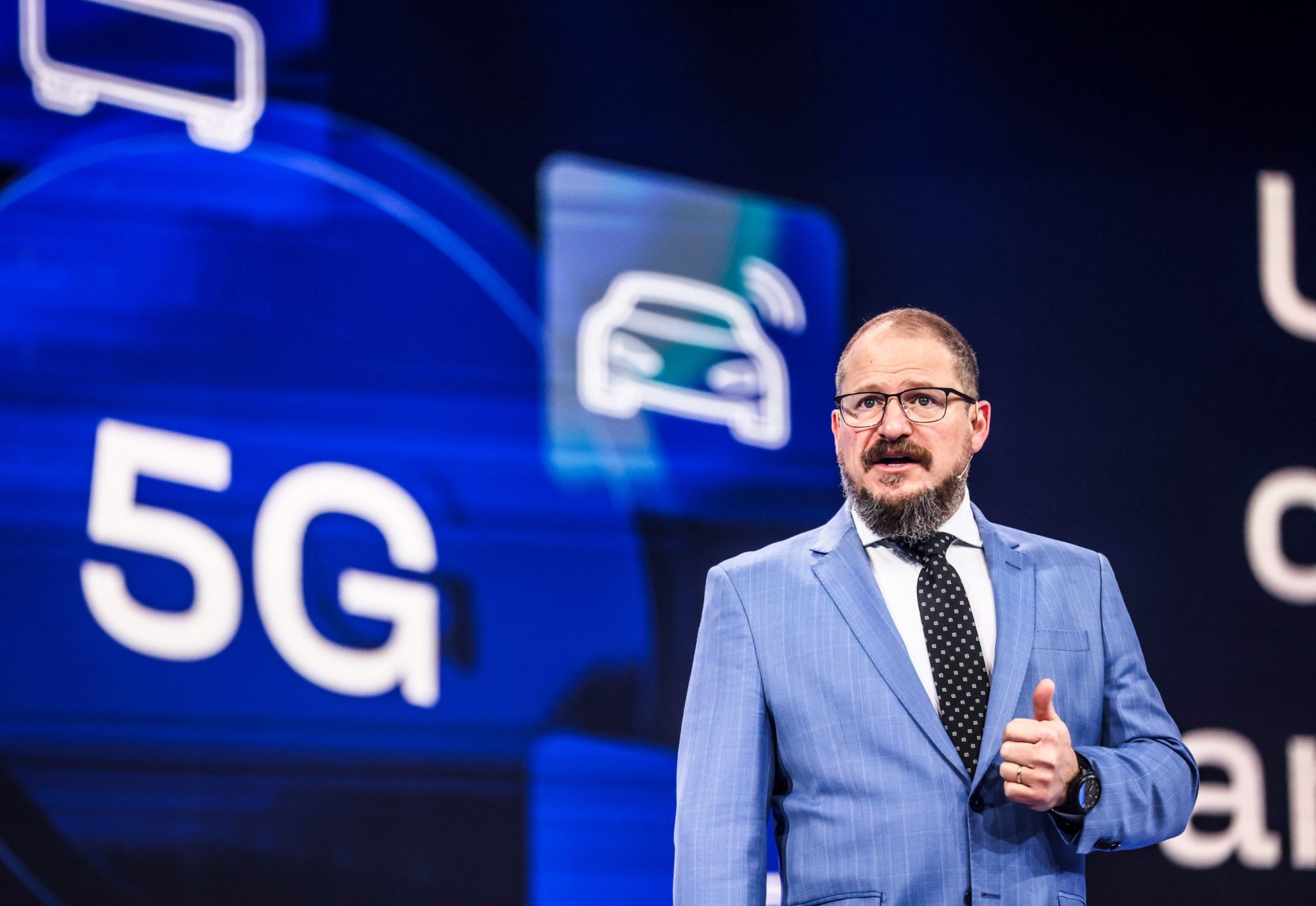
At the Mobile World Congress in Barcelona, Qualcomm leaders shared their vision for the next decade of connectivity. They described 6G as the first "AI-native" wireless network. This means the network itself is designed to work with AI agents living on devices like smart glasses, watches, and cars. The CEO of Qualcomm, Cristiano Amon, stated that if people believe in the AI revolution, then 6G is a requirement that cannot be avoided.
Important Numbers and Facts
Qualcomm is a massive company, currently ranked at number 117 on the Fortune 500 list. The timeline for this new technology is already being planned. The company expects the first 6G tests for regular users to happen by 2028, coinciding with the Los Angeles Olympics. A wider rollout of the technology is expected to begin in 2029. This follows the historical pattern of mobile tech, which has seen a new generation arrive roughly every ten years.
Background and Context
To understand why 6G matters, it helps to look at how mobile phones have changed over time. The 2G era was mostly about making voice calls. 3G introduced text messaging and basic internet. 4G made mobile data fast enough for video, and 5G brought the era of modern smartphones. 6G is being called the "internet of everything." It will connect not just phones, but also robots, medical devices, and self-driving cars in a way that feels seamless.
Public or Industry Reaction
The technology world is currently focused on how humans will interact with AI. At the event in Barcelona, thousands of leaders looked at robots making food and cars that act like giant mobile phones. While there is a lot of excitement about these tools, there is also some caution. Some people are unsure about how much they can trust AI agents that know so much personal information. Additionally, some users point out that current 5G service is still not perfect in many parts of the world, making the talk of 6G feel very far away for the average person.
What This Means Going Forward
The transition to 6G will change how we use our personal devices. Instead of staring at a phone screen, people might get information through smart glasses in real-time. This will require "edge computing," which means data is processed close to the user rather than in a far-away data center. This makes the connection much faster. However, building this network will take a lot of work and money. Companies will need to prove that 6G is reliable enough to handle important tasks, like managing traffic or medical tools, where a dropped connection could be dangerous.
Final Take
The arrival of 6G represents a major shift in how the world stays connected. It is no longer just about faster download speeds for movies or social media. It is about creating a world where artificial intelligence is always active and helpful in the background of our daily lives. While the full rollout is still several years away, the foundation for this AI-driven future is being built right now.
Frequently Asked Questions
What is the difference between 5G and 6G?
While 5G is built for smartphones and fast data, 6G is designed specifically for artificial intelligence. It allows AI agents on different devices to talk to each other instantly, making the network much more reliable and capable of handling complex tasks.
When will 6G be available for regular people?
Testing is expected to start around 2028, with the first real networks likely starting to appear in 2029. It will take several more years after that for 6G to become common in most cities.
What is an AI agent?
An AI agent is a smart assistant that can perform tasks for you. Instead of you opening an app to do something, the agent understands what you want and communicates with other services to get the job done, like booking a trip or ordering groceries.



