Summary
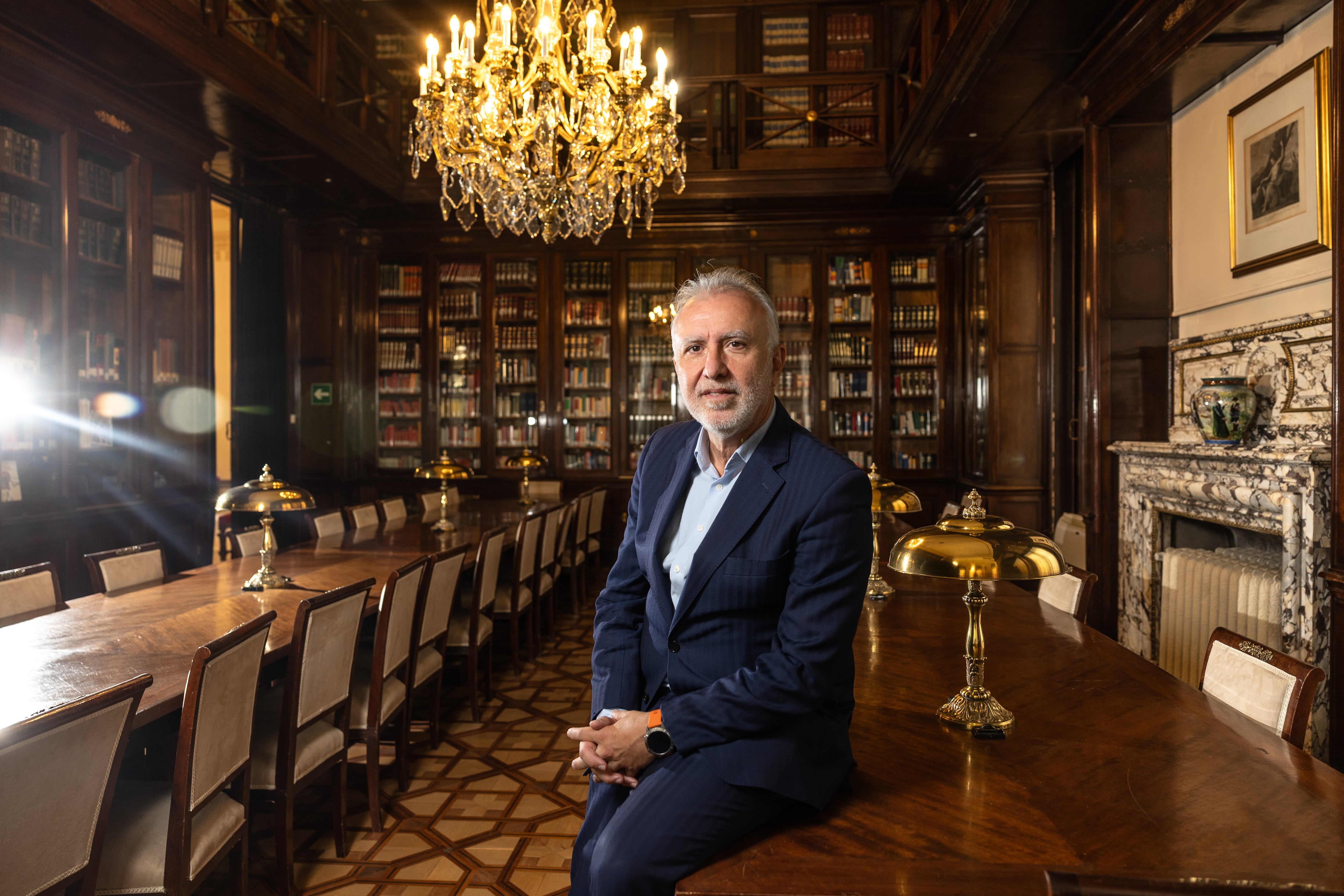
Spain’s Minister of Territorial Policy and Democratic Memory, Ángel Víctor Torres, has stated that up to 500,000 new citizens could be naturalized by 2027, giving them the right to vote. This statement comes in response to accusations from the opposition Popular Party (PP) that the government is manipulating the census through the so-called “grandchildren’s law.” Torres clarified the law’s purpose and denied any attempt to alter election results.
Main Impact
The potential naturalization of half a million people by 2027 could significantly change Spain’s electoral landscape. If these new citizens gain voting rights, they could influence future elections, especially at the local and regional levels. The PP has accused the government of using this law to engineer social change and unfairly boost its voter base, but Torres insists the law is about historical justice, not political gain.
Key Details
What Happened
In an interview, Ángel Víctor Torres addressed concerns about the “grandchildren’s law,” which grants Spanish nationality to descendants of those who fled the country during the Franco dictatorship. The law has been criticized by the PP, who claim it is a tactic to alter the electoral census. Torres rejected these claims, explaining that the law is a measure to repair historical wrongs and reunite families.
Important Numbers and Facts
Torres estimated that by 2027, around 500,000 people could be naturalized under this law. These individuals would then have the right to vote in Spanish elections. The minister also discussed other topics, including corruption cases affecting the Socialist Party (PSOE) and a Supreme Court decision to release a corruptor, Víctor de Aldama, from prison for cooperating with justice.
Background and Context
The “grandchildren’s law” is part of Spain’s efforts to address the legacy of the Franco regime, which forced many citizens into exile. The law allows descendants of those exiles to claim Spanish nationality, even if they were born abroad. This has been a sensitive issue in Spanish politics, with the left supporting it as a matter of historical memory and the right opposing it as a potential electoral manipulation.
Public or Industry Reaction
The PP has been vocal in its criticism, with leader Alberto Núñez Feijóo accusing the government of “social engineering” through naturalizations. However, Torres and his party argue that the law is a legal and moral obligation. Public opinion is divided, with some supporting the law as a way to heal historical wounds and others fearing it could be used for political purposes.
What This Means Going Forward
If the naturalization process continues as projected, Spain could see a notable shift in its voter demographics by 2027. This could affect election outcomes, particularly in regions with high numbers of applicants. The government will need to ensure the process is transparent to avoid further accusations of manipulation. Meanwhile, the PP’s concerns highlight the ongoing political divide over historical memory laws.
Final Take
Ángel Víctor Torres’s statement underscores the government’s commitment to the “grandchildren’s law” despite political backlash. The potential addition of 500,000 voters by 2027 is a significant development, but its impact will depend on how the law is implemented and perceived by the public. The debate over historical memory and electoral fairness is likely to continue.
Frequently Asked Questions
What is the “grandchildren’s law” in Spain?
The “grandchildren’s law” allows descendants of Spaniards who fled the country during the Franco dictatorship to apply for Spanish nationality. It is part of efforts to address historical injustices from that period.
Why is the PP accusing the government of manipulating the census?
The PP believes that the law could be used to naturalize large numbers of people who would then vote for the ruling party, thus altering election results. The government denies this and says the law is about historical justice.
How many people could be naturalized by 2027?
Minister Ángel Víctor Torres estimates that up to 500,000 people could gain Spanish nationality by 2027 under this law, giving them the right to vote in elections.