
Summary
The 2026 World Cup is shaping up to be the most politically tense sports event in modern history. For the first time, three countries—the United States, Mexico, and Canada—will host the tournament together. While the event is expanding to include 48 teams, the focus is shifting away from soccer and toward serious global conflicts. Trade wars between the host nations and a recent military conflict between the U.S. and Iran have created a difficult environment for the world’s biggest game.
Main Impact
The biggest impact of this tournament is the collision of sports and active warfare. It is the first time a host nation has been at war with a participating country during the tournament cycle. Although the U.S. and Iran are currently in a ceasefire, the tension is extremely high. This situation forces FIFA and the host cities to deal with massive security risks and diplomatic problems that have never been seen before in a World Cup.
Key Details
What Happened
The tournament is growing in size, adding 16 more teams than previous years. However, the relationship between the three hosts is strained. President Donald Trump has placed taxes, known as tariffs, on goods from Canada and Mexico. He has also used harsh language toward the leaders of both countries. At the same time, the U.S. is dealing with the aftermath of a war with Iran. This conflict included U.S. strikes on Iranian sites and the death of Iran's Supreme Leader. Iran initially said it would not attend the tournament because of these events.
Important Numbers and Facts
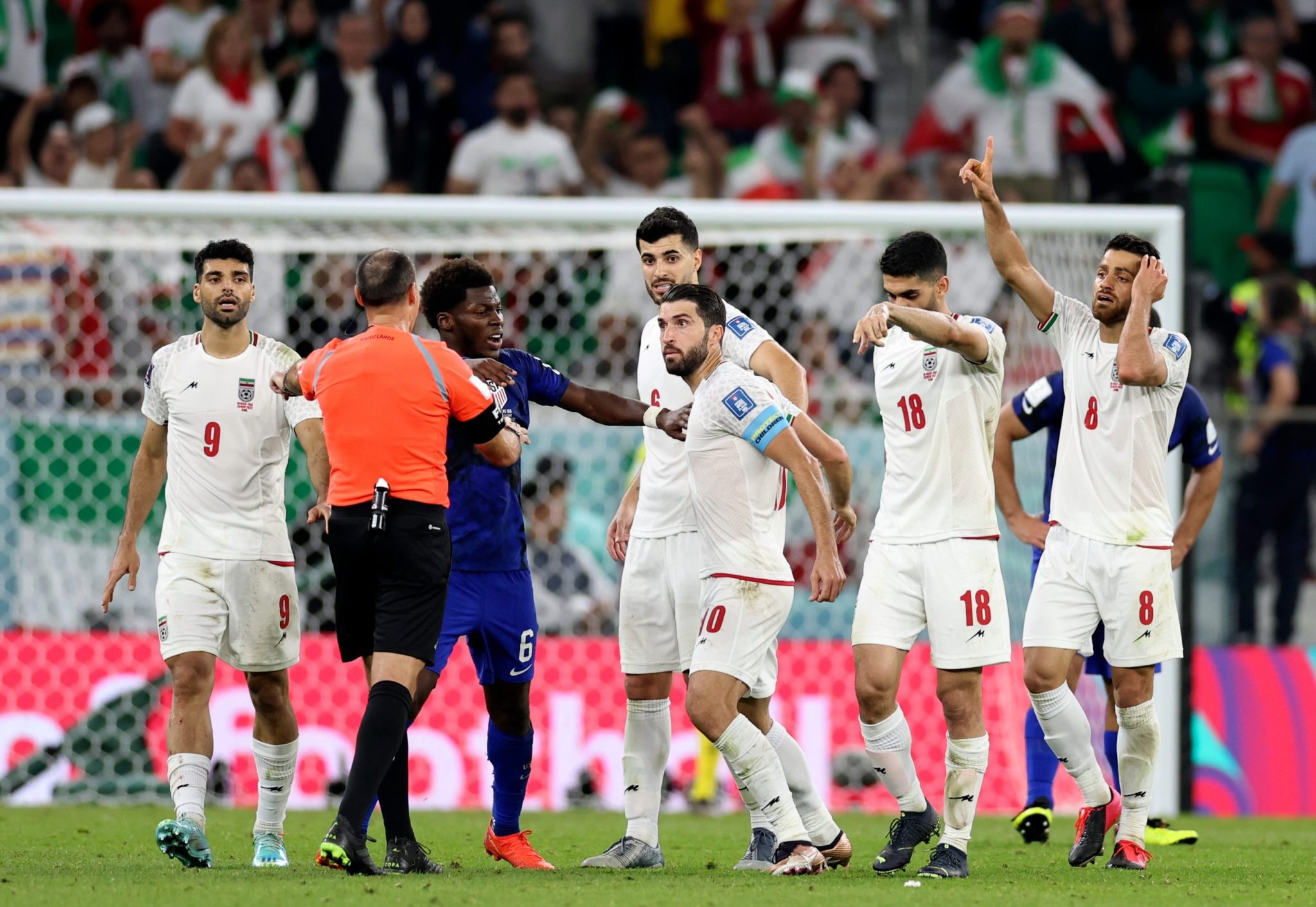
The 2026 World Cup will feature 48 teams, making it the largest version ever. The tournament will last 39 days, starting in June. Iran was the very first team to qualify for the event, but their participation remained uncertain for months. A major moment could happen on July 3 in Dallas, where the U.S. and Iran might face each other in a high-stakes elimination game if both teams advance from their groups.
Background and Context
The World Cup has often been used by leaders to show off their power. In the past, countries like Italy under Mussolini and Argentina under a military government used the games for political reasons. More recently, the tournaments in Russia and Qatar faced criticism over human rights issues. Experts say that while sports and politics always mix, the current situation is different because the conflicts are happening right now. Usually, tensions are based on old history, but today’s problems involve active trade wars and military threats between the people organizing the event.
Public or Industry Reaction
FIFA, the group that runs global soccer, is trying to keep the focus on the sport. FIFA President Gianni Infantino has insisted that Iran will play in the U.S. despite the country's request to move its games to Mexico. Iran’s sports officials previously stated they could not participate in a country that attacked their leader. Meanwhile, the leaders of Mexico and Canada are navigating a difficult relationship with the U.S. President. Mexico’s president recently rejected a plan to allow U.S. troops into her country, calling it a threat to their independence.
What This Means Going Forward
The next few months will be a major test for international relations. Security will be tighter than ever, especially for matches involving Iran. There is also a big meeting scheduled for July to review trade deals between the U.S., Mexico, and Canada. This meeting happens right in the middle of the tournament. If trade talks go poorly, it could make the atmosphere at the games even more uncomfortable. Fans and officials are waiting to see if the excitement of the matches can overcome the serious political disagreements between the nations involved.
Final Take
The 2026 World Cup will prove whether soccer truly has the power to bring the world together during a time of war and trade battles. While the games are meant to be a celebration, the shadow of real-world conflict is impossible to ignore. The success of the event depends on whether the "magic" of the sport can provide a peaceful bridge between nations that are currently at odds.
Frequently Asked Questions
Why is the 2026 World Cup controversial?
It is controversial because the U.S. is hosting while having major trade disputes with its co-hosts, Mexico and Canada. Additionally, the U.S. and Iran are in a ceasefire after a recent military conflict.
Will Iran play its games in the United States?
Yes. Iran asked FIFA to move its matches to Mexico for safety reasons, but FIFA rejected the request. Iran is expected to play its group stage matches on U.S. soil.
How many teams are playing in this World Cup?
The tournament has expanded to include 48 teams, which is 16 more than the 32 teams that played in previous years.



