
Summary
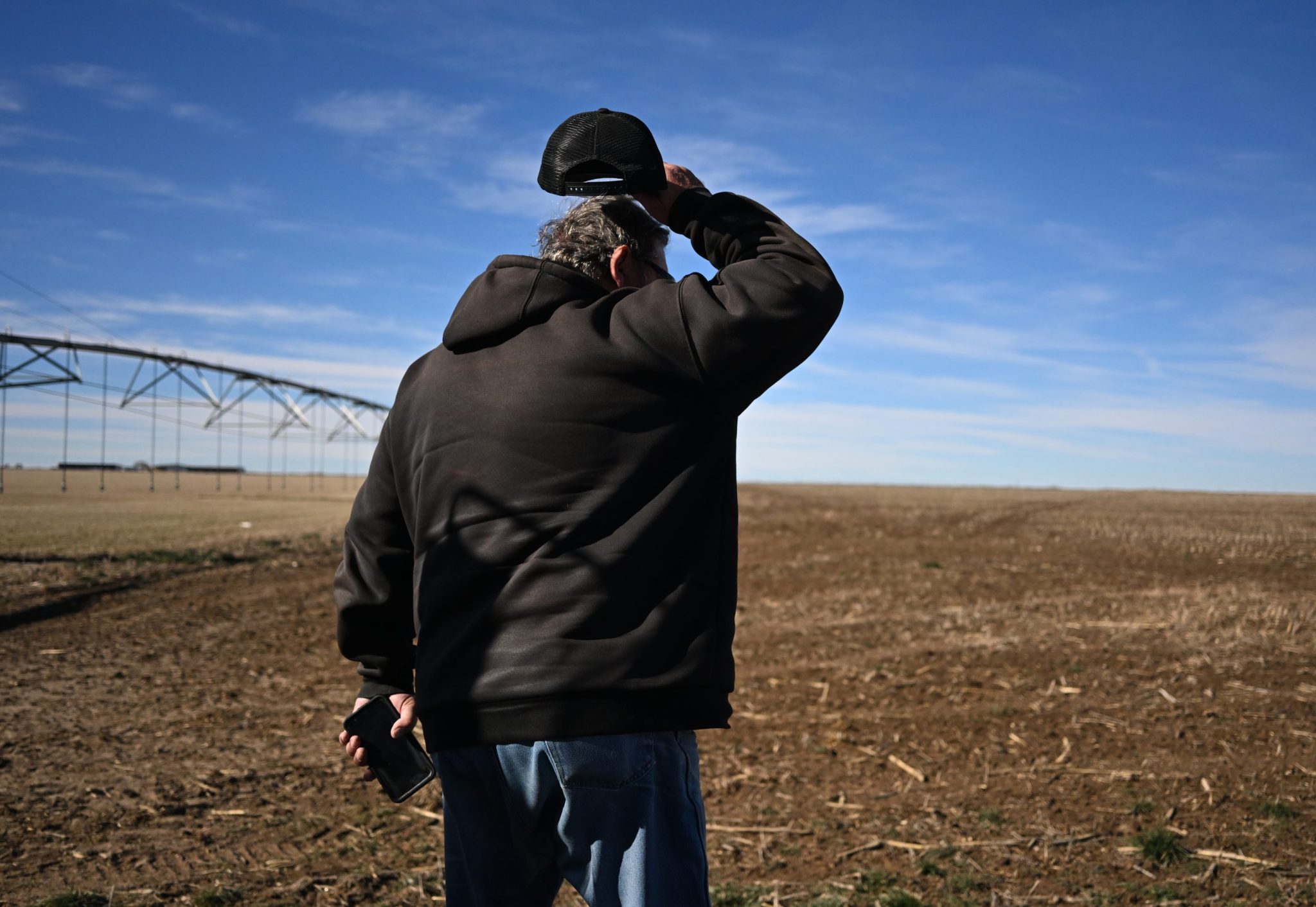
Farmers and ranchers across the Great Plains are facing a severe drought that is putting the 2026 harvest at risk. A lack of rain and unusual winter heat have dried out the soil, making it difficult for winter wheat to grow and for cattle to find grass. This weather crisis is forcing many producers to make difficult financial choices, such as selling off their animals or skipping necessary fertilizers. The situation is critical because the next few weeks will determine if the current crops can survive or if they will fail completely.
Main Impact
The deepening drought is hitting two major parts of the American food system: grain and meat. Winter wheat, which is a staple crop for the region, is struggling to mature because there is not enough moisture in the ground. At the same time, cattle ranchers are running out of grass for their herds to eat. Because buying extra feed is very expensive, many ranchers are selling their cows earlier than planned. This prevents the national cattle herd from growing, which helps keep beef prices high for shoppers at the grocery store.
Key Details
What Happened
The problem started with a very dry winter caused by a weather pattern known as La Niña. This pattern brought very little snow and record-breaking warm temperatures to states like Nebraska, Oklahoma, and Kansas. The heat and dry air caused massive fires that burned through nearly a million acres of pasture and hayfields by the end of March. These fires destroyed the grass that cows eat and burned down thousands of miles of fences that keep animals safe. Now, as spring begins, the rain has not returned in large enough amounts to fix the damage.
Important Numbers and Facts
The scale of the drought is significant. Nearly 90% of the land in Nebraska and Oklahoma is currently considered dry, with more than half of Nebraska facing "extreme" drought conditions. According to the U.S. Department of Agriculture, only 30% of the nation's winter wheat crop is in good or excellent condition. This is one of the lowest ratings seen in years. In states like Texas and Colorado, about half of the wheat crop is rated as poor or very poor. Additionally, rebuilding just one mile of destroyed pasture fencing can cost a rancher more than $10,000.
Background and Context
The Great Plains is often called the "breadbasket" of the United States because it produces so much of the country's food. Winter wheat is planted in the fall, stays in the ground during winter, and is harvested in the summer. For the plants to produce grain, they need a specific amount of water during the spring. Without this water, the plants stay small and do not produce much food. The region is also home to a large portion of the country's beef cattle. When the grass dies or burns, ranchers have to decide whether to spend a lot of money on hay or sell their animals to be processed for meat. Currently, the U.S. cattle herd is already at its smallest size in 75 years.
Public or Industry Reaction
Farmers are feeling the pressure from both the weather and rising costs. For example, the price of fertilizer has gone up due to global tensions in the Middle East. Some farmers, including U.S. Representative Frank Lucas of Oklahoma, have decided not to put fertilizer on their fields this year. They feel that without enough rain, the fertilizer would be a waste of money. Meanwhile, groups like Farm Rescue are working to help. They have been delivering donated hay to farmers who lost everything in the fires. Cattle associations in Nebraska and Oklahoma have also set up emergency funds to help ranchers pay for new fences and equipment.
What This Means Going Forward
The outlook for the next few months is uncertain. While the dry La Niña pattern has ended, its replacement, El Niño, might not bring heavy rain until late summer. By that time, it will be too late for the winter wheat harvest. Weather experts predict that the drought might even expand into parts of western Kansas and eastern Colorado. Higher temperatures are expected to continue, which causes water to evaporate from the ground even faster. If the rain does not come soon, more farmers may decide to let their cattle graze on the failing wheat fields instead of trying to harvest the grain for sale.
Final Take
The agricultural heart of the United States is at a breaking point. The combination of extreme weather, high costs, and natural disasters like wildfires has created a very difficult environment for food producers. While global grain supplies might keep bread prices stable for now, the long-term health of American farms and the size of the cattle herd are in danger. The coming weeks of rainfall will be the most important factor in deciding if 2026 will be a year of recovery or a year of heavy losses for the Great Plains.
Frequently Asked Questions
Why is the drought affecting beef prices?
When there is no grass to eat, ranchers must sell their cows. This means there are fewer cows left to breed for the future. A smaller number of cattle overall leads to higher beef prices at the store over time.
What happened to the winter wheat crop?
The wheat did not get enough moisture during the winter and early spring. Because the soil is so dry, the plants are struggling to grow grain, leading to very low quality ratings from the government.
Is there any relief coming for farmers?
Some aid groups are providing donated hay and money to help fix fences. However, the most important relief is rain, which may not arrive in large amounts until later in the summer.



