
Summary
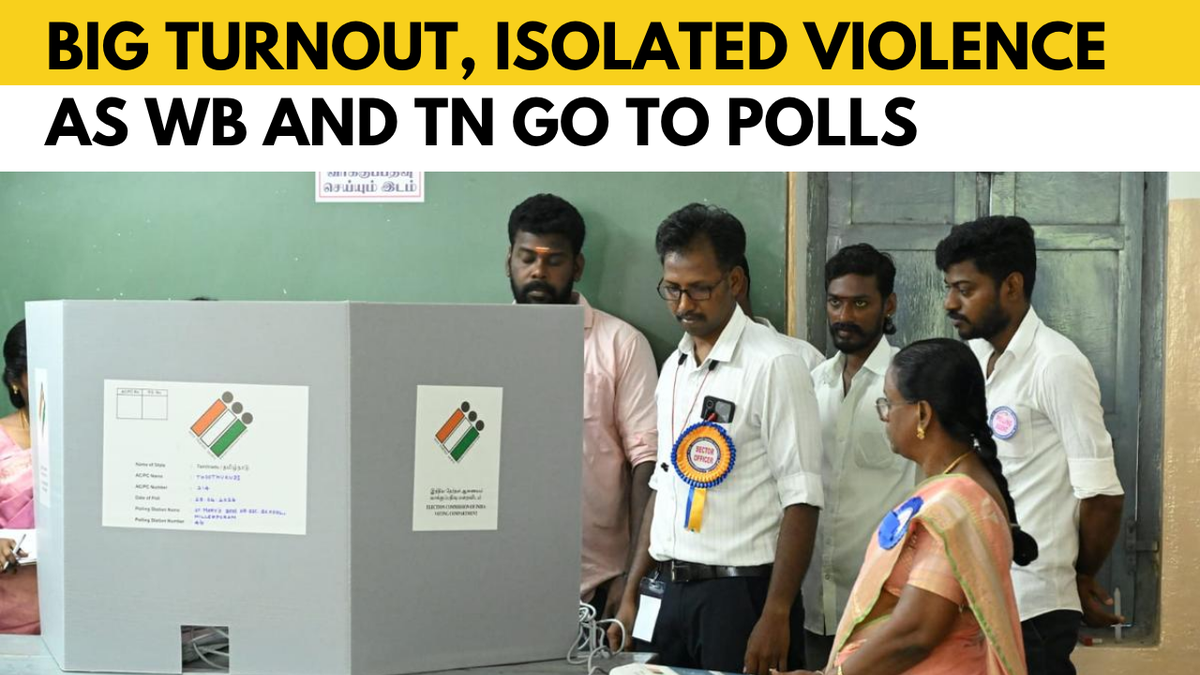
The first phase of the 2026 Assembly elections in West Bengal and Tamil Nadu saw an incredibly high number of voters at the polling stations. Despite reports of scattered violence and some technical problems, citizens turned out in record-breaking numbers to cast their ballots. This high participation marks a significant start to the election season, showing that voters are highly motivated to have their voices heard. The heavy turnout occurred even as security forces worked to manage clashes in several sensitive areas.
Main Impact
The massive voter turnout is the most important story of this election phase. When more people vote, it usually shows a strong public interest in the political future of the state. In West Bengal, high numbers often suggest a very competitive race between the main political parties. In Tamil Nadu, the large crowds at polling booths indicate that local issues and party promises have successfully reached the public. This level of engagement sets a high-energy tone for the remaining phases of the national election cycle.
Key Details
What Happened
Voting began early in the morning across various districts in both states. In West Bengal, the atmosphere was tense as reports of minor clashes between party workers surfaced in areas like Cooch Behar and Alipurduar. There were accounts of stone-pelting and small scuffles near polling booths, which briefly slowed down the process. However, security teams moved in quickly to restore order. In Tamil Nadu, the process was much smoother, though long lines caused some delays. Some voters complained about heat and lack of shade, but they stayed in line to ensure their votes were counted.
Important Numbers and Facts
Early data suggests that West Bengal saw a turnout of over 78%, while Tamil Nadu hovered around 72%. These figures are higher than the numbers seen in the previous election cycle. Thousands of security personnel, including central forces, were deployed to keep the peace. In West Bengal alone, over 500 companies of security forces were used to guard the booths. Despite the tension, the Election Commission reported that over 95% of the polling stations functioned without any major technical failures. A small number of Electronic Voting Machines (EVMs) had to be replaced due to battery issues or mechanical errors early in the day.
Background and Context
Elections in West Bengal and Tamil Nadu are always watched closely because these states have very strong local political identities. In West Bengal, politics is often very intense, and elections have a history of being hard-fought. Tamil Nadu is known for its high voter awareness and the strong influence of regional parties. The 2026 elections are seen as a major test for both the local ruling parties and the national parties trying to gain more ground. People are voting on issues like jobs, social welfare programs, and the local economy. Because these states have many seats in the legislature, the results here will have a big impact on the overall political direction of the country.
Public or Industry Reaction
Political leaders from all sides have praised the voters for coming out in such large numbers. The Election Commission expressed satisfaction with the turnout, noting that the high participation shows deep trust in the democratic process. However, opposition parties in West Bengal have raised concerns about the safety of their workers, claiming that the violence was meant to scare people away from the booths. On the other hand, the ruling parties have stated that the high turnout is a sign of support for their work over the last few years. Social media was filled with photos of first-time voters and elderly citizens proudly showing their inked fingers.
What This Means Going Forward
The high turnout in Phase 1 suggests that the rest of the election phases will also see heavy participation. Security will likely be tightened even further in West Bengal to prevent more clashes. For political experts, these numbers are a puzzle to solve; they are trying to figure out if the high turnout favors the current government or the challengers. The Election Commission will need to look into the reports of violence to ensure that the next rounds of voting are safer. Candidates will now shift their focus to the regions voting in the next phase, using the momentum from today to try and win over undecided voters.
Final Take
The record turnout is a clear sign that the public remains the most powerful force in the election. While the reports of violence are worrying, they did not stop millions of people from doing their civic duty. The energy seen in West Bengal and Tamil Nadu shows that the 2026 elections will be one of the most significant events in recent years. As the focus moves to the next set of states and districts, the goal will be to keep the high participation while reducing the risks of conflict.
Frequently Asked Questions
Why was the voter turnout so high this time?
Many experts believe that strong local issues and intense campaigning by all political parties motivated more people to vote. Voters felt that their choice would make a real difference in how their state is run.
Was the violence widespread in West Bengal?
The violence was mostly limited to specific districts and did not happen everywhere. While there were reports of clashes and stone-pelting, security forces were able to control most situations quickly so that voting could continue.
What happens if an EVM stops working during the poll?
The Election Commission keeps extra machines ready at every sector. If a machine fails, technical teams check it immediately. If it cannot be fixed, it is replaced with a new one, and the voting process starts again for that booth.



