
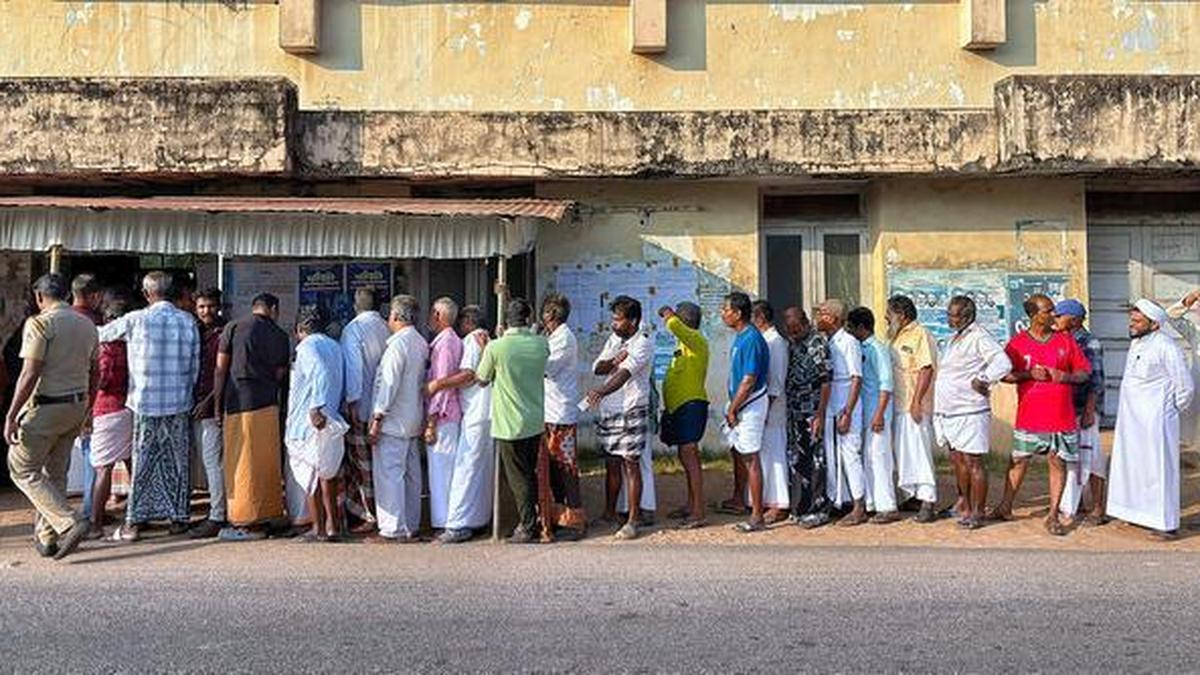
Summary
The Election Commission of India has announced that 17.4 crore people are eligible to vote in the upcoming assembly elections. These elections will take place across four states and one union territory, including Tamil Nadu, West Bengal, Assam, Kerala, and Puducherry. This massive number of voters highlights the scale of the democratic process in India. Chief Election Commissioner Gyanesh Kumar pointed out that the number of voters in these regions is equal to the total population of several major countries combined.
Main Impact
The primary impact of this announcement is the sheer scale of the logistical task ahead. Managing an election for 17.4 crore people requires an enormous amount of planning, security, and staff. This figure represents a significant portion of the Indian population and shows how many people will have a say in choosing their local leaders. The outcome of these elections will shape the political direction of these five regions for the next five years.
Key Details
What Happened
Chief Election Commissioner (CEC) Gyanesh Kumar shared the latest voter data during a press briefing. He confirmed that the electoral rolls have been updated to include all eligible citizens in the five regions. The commission is now preparing for the actual voting process, which involves setting up thousands of polling stations and ensuring that every voter can cast their ballot safely and easily. The focus is on making the process fair and transparent for everyone involved.
Important Numbers and Facts
The total number of eligible voters is 17.4 crore. To put this in perspective, the CEC compared this number to the combined populations of five large nations. The voter count in these five Indian regions is roughly the same as the total number of people living in Australia, France, South Africa, Germany, and Canada. This comparison helps people understand the massive size of the Indian electorate. The elections will cover four states—Tamil Nadu, West Bengal, Assam, and Kerala—and the Union Territory of Puducherry.
Background and Context
In India, assembly elections are held every five years to elect members of the Legislative Assembly. These members then choose the Chief Minister of the state. These elections are very important because state governments handle many daily issues like education, health, and local infrastructure. The regions involved in this cycle are diverse and have different political histories. For example, West Bengal and Tamil Nadu are known for having very active and competitive political scenes. Assam and Kerala also have unique local issues that drive voter interest. Puducherry, while smaller, remains a key area for political parties to show their strength.
Public or Industry Reaction
Political parties have already started their campaigns in these regions. Many leaders are focusing on local issues such as jobs, prices, and social welfare programs. Election experts are watching closely to see how the high number of voters will affect the results. There is also a lot of talk about the use of technology in the voting process. The Election Commission is working to ensure that Electronic Voting Machines (EVMs) are ready and that the voting process is secure. Citizens are generally eager to participate, as these elections directly affect their local communities and daily lives.
What This Means Going Forward
Moving forward, the Election Commission will focus on the final stages of preparation. This includes training poll workers, moving voting machines to the correct locations, and setting up security measures to prevent any trouble. The high number of voters means that the counting process will also be a major task. Once the voting is finished, the results will show which parties have the support of the people. These results will not only decide the local governments but could also influence national politics. The next few months will be a busy time for voters and politicians alike as they prepare for the polling days.
Final Take
The fact that 17.4 crore people are ready to vote is a powerful sign of a healthy democracy. Comparing this number to the populations of five major countries shows just how big the Indian election system is. It is a reminder that every vote counts and that the process of choosing leaders is a massive team effort involving millions of people. As the election dates get closer, the focus will remain on ensuring a smooth, fair, and peaceful voting experience for every citizen in these five regions.
Frequently Asked Questions
Which states are holding assembly elections?
The elections are being held in Tamil Nadu, West Bengal, Assam, Kerala, and the Union Territory of Puducherry.
How many voters are eligible to participate?
A total of 17.4 crore voters are eligible to cast their ballots across these five regions.
Who provided the voter data?
The data was shared by the Chief Election Commissioner, Gyanesh Kumar, during a recent update on election preparations.



