
Summary
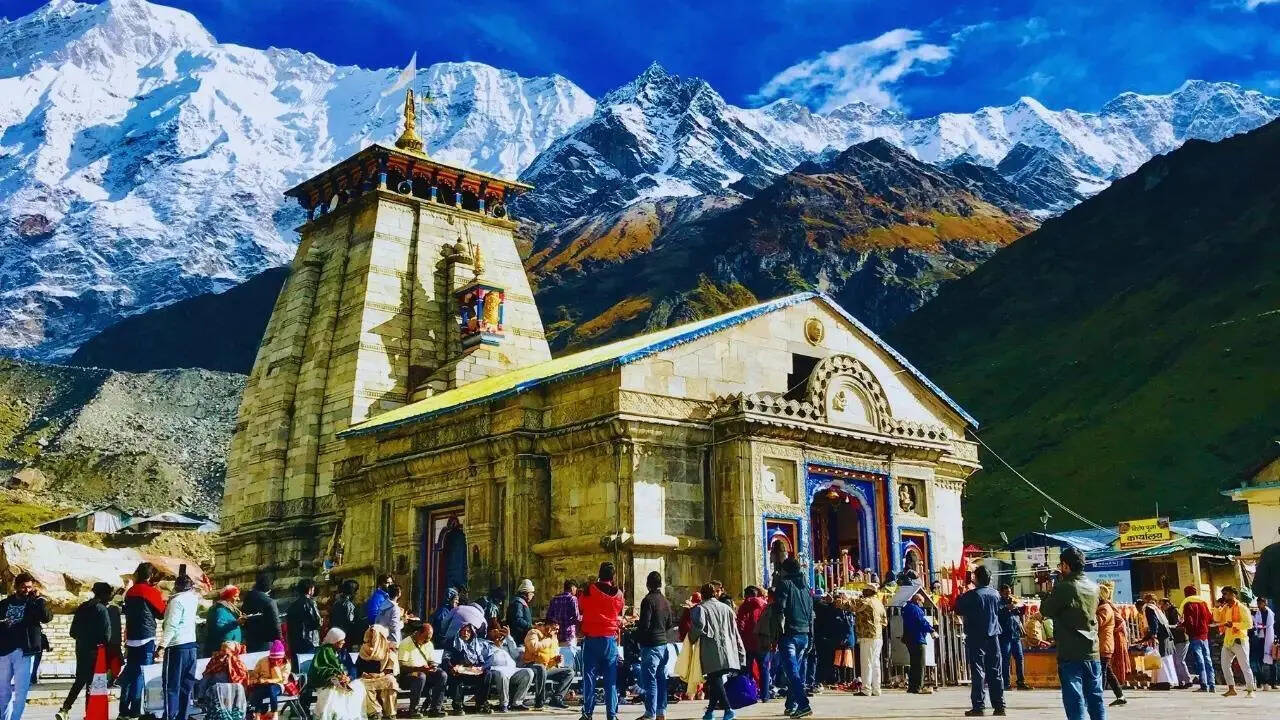
The Kedarnath pilgrimage has seen an incredible start this year, with more than 110,000 devotees visiting the shrine in the first three days of its opening. This massive turnout highlights the deep faith of the people and the growing popularity of the Char Dham Yatra. Temple authorities and religious leaders have expressed their satisfaction with the way the Uttarakhand government is managing the crowds. They noted that the arrangements for safety, health, and transport have made the journey much easier for pilgrims compared to previous years.
Main Impact
The primary impact of this successful start is the boost in confidence for both the government and the pilgrims. Managing over a lakh of people in a high-altitude area within just 72 hours is a difficult task. By ensuring a smooth flow of visitors, the state government has shown that it can handle large-scale religious events without major issues. This success helps the local economy, as thousands of small businesses, transport workers, and hotel owners depend on the yatra for their living. It also sets a positive tone for the rest of the pilgrimage season, which lasts for several months.
Key Details
What Happened
The doors of the Kedarnath temple opened recently to mark the beginning of the summer pilgrimage season. From the very first day, thousands of people gathered at the base camps to begin their trek to the temple. The government used a digital registration system to track the number of people entering the area. This helped officials manage the crowd at different points along the 16-kilometer walking path. Despite the cold weather and the steep climb, the movement of people remained steady. Temple leaders pointed out that the lack of long delays and the presence of helpful staff made a big difference for the elderly and children.
Important Numbers and Facts
The official data shows that exactly 110,000 devotees reached the temple within the first three days. To support this many people, the government deployed hundreds of police officers and disaster management teams along the route. There are also dozens of medical camps set up to help those who suffer from altitude sickness or fatigue. The registration portal for the yatra has already seen millions of sign-ups, suggesting that the total number of visitors this year could break previous records. In the past, reaching such high numbers so quickly often led to confusion, but this year, the use of technology and better planning has kept the situation under control.
Background and Context
Kedarnath is one of the most sacred temples in India, located high in the Himalayan mountains. It is part of the Char Dham Yatra, a journey to four holy sites that many people believe they must visit at least once in their lives. Because the temple is located at an altitude of nearly 11,700 feet, the weather is very cold and the air is thin. In 2013, the region faced a major natural disaster that changed how the government looks at safety. Since then, there has been a strong focus on building better roads, stronger bridges, and more permanent shelters for pilgrims. Today, the goal is to balance the large number of visitors with the need to protect the environment and keep everyone safe.
Public or Industry Reaction
Religious leaders and temple committee members have been vocal in their praise for the current administration. They mentioned that the coordination between different departments, such as health, transport, and police, is better than ever. Local shopkeepers and mule operators have also shared positive feedback, noting that the organized system allows them to serve customers more efficiently. Pilgrims who traveled from far-away states mentioned that the online registration and the clear signs along the route helped them feel more secure. However, some experts still advise caution, reminding the government to stay alert as the monsoon season approaches, which can bring heavy rain and landslides.
What This Means Going Forward
Looking ahead, the government plans to continue using the same management model for the rest of the season. They will monitor the weather daily and may pause the trek if conditions become dangerous. The success of these first three days serves as a test for the peak weeks of the pilgrimage. If the current level of organization continues, it could lead to a record-breaking year for tourism in Uttarakhand. The government is also looking into ways to improve the digital tracking system to provide real-time updates to pilgrims about crowd sizes and waiting times at the temple.
Final Take
The smooth arrival of 110,000 devotees at Kedarnath is a clear sign that careful planning can make even the most difficult journeys safe and organized. By focusing on technology and basic needs like health and safety, the authorities have turned a challenging task into a success story. This positive start brings hope to millions of devotees who plan to visit the shrine in the coming months, proving that faith and modern management can work well together.
Frequently Asked Questions
How many people visited Kedarnath in the first three days?
More than 110,000 devotees visited the Kedarnath temple within the first 72 hours of its opening this season.
Why are temple leaders praising the government?
They are happy with the seamless arrangements, including crowd control, medical facilities, and the organized flow of pilgrims along the mountain path.
Is registration required to visit the temple?
Yes, the government uses a digital registration system to track the number of visitors and ensure that the area does not become dangerously overcrowded.



