
Summary
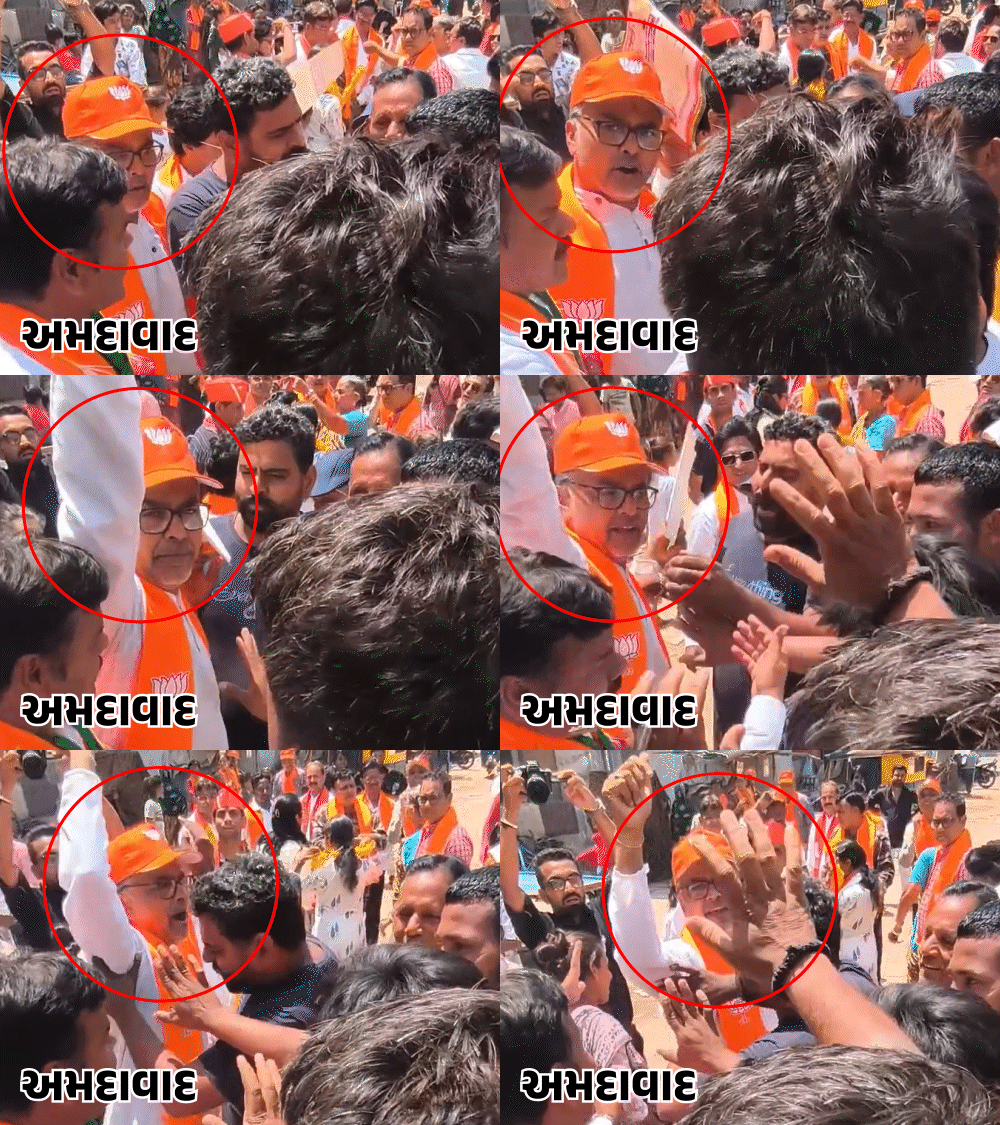
Political candidates from the Bharatiya Janata Party (BJP) are facing strong opposition from local residents in several parts of Gujarat. In Ahmedabad, citizens are demanding answers for local problems instead of listening to political slogans. This tension has led to heated arguments and even physical clashes in some neighborhoods. Leaders in other areas like Gondal and Morbi are also dealing with unhappy voters and internal party conflicts as elections approach.
Main Impact
The main impact of these events is a clear change in how voters are treating political leaders. In the past, emotional or nationalistic slogans often helped quiet down local complaints. However, recent videos from Ahmedabad show that people are no longer willing to ignore their daily struggles. This shift is forcing politicians to change their tone, with some offering public apologies while others engage in sharp verbal attacks against their rivals.
Key Details
What Happened
In the India Colony ward of Ahmedabad, a video went viral showing a BJP worker trying to stop residents from complaining. As locals started talking about their problems, the worker began shouting "Bharat Mata Ki Jai" to drown out their voices. The residents quickly realized he was trying to hide the issues behind a patriotic slogan. They scolded the worker and forced him to leave the area. In another part of the city, specifically near the Saraspur Ashok Mill, a campaign worker was reportedly beaten by a resident who told the party not to enter their neighborhood for campaigning.
In Gondal, the situation was different but equally tense. A powerful local leader named Jayrajsinh Jadeja was seen asking for forgiveness in Charkhadi village. He publicly apologized for any delays in development work or mistakes made by his team. This move is seen as an attempt to calm down angry voters before the polling day.
Important Numbers and Facts
- The conflict in Morbi involves a former city president, Devabhai Avadia, who is now running as an independent candidate.
- Avadia claimed he kept a religious lamp burning for 111 days to protest against those who denied him a party ticket.
- In Surat, C.R. Paatil challenged the Opposition to keep the 27 seats they won in the previous local elections.
- Multiple videos of these protests have been shared thousands of times across social media platforms.
Background and Context
Local elections are usually fought over basic needs like clean water, good roads, and working streetlights. When these needs are not met for a long time, residents feel ignored. In Gujarat, the BJP has held power for many years, but internal disagreements are starting to show. In Morbi, for example, the party decided not to give tickets to certain long-time members. This led to those members standing for election on their own, which splits the party's support. The use of nationalistic slogans is a common way to build unity, but as seen in Ahmedabad, it is becoming less effective when people are worried about their local living conditions.
Public or Industry Reaction
The reaction from the public has been a mix of anger and direct action. Social media has played a big role in showing these protests to a wider audience. Many people online are praising the "alert" citizens of Ahmedabad for staying focused on their local issues. On the other hand, the political reaction has been aggressive. In Morbi, State Minister Kantibhai Amrutiya responded to the "lamp protest" with very harsh words. He suggested that the money used for the protest was not honest and even challenged his opponent to a more direct confrontation. This shows that the political environment is becoming very personal and heated.
What This Means Going Forward
Going forward, political parties will have to be more careful about how they talk to voters. Simply relying on big themes or national pride might not be enough to win local seats anymore. The BJP will need to manage its internal rebels who are running as independents, as they could take away valuable votes. For the voters, this trend shows a growing confidence to hold leaders accountable. If the protests continue, candidates may have to spend more time explaining their work and less time using slogans. The upcoming election results will show if this public anger translates into a change in leadership or if the current party can win back trust through apologies and new promises.
Final Take
The current events in Gujarat highlight a growing gap between what politicians say and what people experience in their daily lives. While slogans and symbols are important in politics, they cannot replace basic services and respect for the voter. The residents of Ahmedabad and Morbi are sending a clear message: they want their problems solved, and they will not be distracted by anything else. This election season is proving that even the most powerful leaders must answer to the people at the local level.
Frequently Asked Questions
Why are people in Ahmedabad protesting against BJP candidates?
Residents are unhappy with local issues and feel that their complaints are being ignored. They reacted strongly when a worker tried to use slogans to stop them from talking about their problems.
What happened in the Morbi political dispute?
A former party leader, Devabhai Avadia, is running as an independent after being denied a ticket. This has led to a bitter verbal war between him and a state minister over a symbolic religious protest.
How are leaders trying to fix the situation with voters?
Some leaders, like Jayrajsinh Jadeja in Gondal, are publicly apologizing for mistakes and delays in work to try and win back the support of the villagers.



